Choosing between an adult family home and assisted living is one of the most important decisions a family can make. Both provide housing, meals, supervision, and personal care - but they differ dramatically in scale, staffing, medical capability, and day-to-day experience. This assisted living comparison breaks down every important factor so you can determine which setting best fits your loved one's needs - and highlights where high-acuity adult family homes like Edmonds Villa serve a critical gap that traditional assisted living cannot fill.
Understanding the Basics
What Is an Adult Family Home?
An adult family home is a licensed residential care home in a single-family house setting. Regulated by Washington State DSHS under RCW 70.128, AFHs care for up to six residents in a real home within an ordinary neighborhood. Caregivers are consistent - often the same faces every day - and the environment is intentionally small, personal, and family-like.
What Is Assisted Living?
Assisted living facilities are larger residential communities - typically 40 to 200+ units - where residents live in private or semi-private apartments. They offer congregate dining, organized activities, and on-site staff for daily assistance. Licensing and oversight in Washington fall under the Department of Social and Health Services (DSHS ALTSA), but the regulatory framework and staffing requirements differ substantially from those governing AFHs.
Key Comparison: Staff-to-Resident Ratios

Staff availability is one of the most significant differences between these two care models.
- Adult family homes: Minimum 1:6 ratio, often achieving 1:3 or better with live-in caregivers. One or two consistent caregivers know each resident's routines, preferences, and medical history intimately.
- Assisted living: Typical ratios range from 1:8 to 1:15 during daytime, with significantly lower coverage overnight. Staff rotate across wings and shifts, and residents may interact with a dozen different aids in a single week.
For residents who need frequent repositioning, toileting assistance, or close monitoring, the higher ratios in adult family homes translate directly to better safety and quality of life.
Key Comparison: Medical Capability and High-Acuity Care
This is where the gap between standard assisted living and high-acuity AFHs is widest.
Assisted living facilities are generally not licensed to provide skilled nursing care. When a resident's needs escalate beyond medication management and ADL assistance - for example, if they need dialysis support, tube feeding, tracheostomy care, or post-surgical wound management - most assisted living communities will give notice and require transfer to a skilled nursing facility.
High-acuity adult family homes like Edmonds Villa are RN-owned, RN-operated, and staffed by licensed nurses. We are equipped and licensed to manage the complex medical conditions that force residents out of assisted living:
- Dialysis and catheter care
- Enteral tube feeding (PEG tubes)
- Parkinson's disease and movement disorder management
- Bariatric care with specialized equipment
- Neurological conditions including dementia and Alzheimer's
- Post-surgical recovery and transitional care
This capability means residents with high-acuity needs can age in place rather than face disruptive transfers as their condition progresses. Learn more on our services page.
Key Comparison: Cost Comparison
| Factor | Adult Family Home | Assisted Living |
|---|---|---|
| Monthly cost range | $4,500 - $9,000 | $5,000 - $12,000+ |
| Medicaid COPES accepted | Yes, at many homes | Yes, at many facilities |
| VA Aid & Attendance | Yes | Yes |
| Private insurance / LTC | Yes | Yes |
| Nursing-level care included | Often (high-acuity homes) | Rarely (contract nursing extra) |
For comparable care levels, adult family homes are frequently 20-30% less expensive than assisted living - and when skilled nursing needs are factored in, the gap widens further since assisted living residents requiring nursing care must pay for outside home health agencies on top of facility fees.
Key Comparison: Environment and Daily Life
Setting and lifestyle preferences are deeply personal. Here is how the two compare:
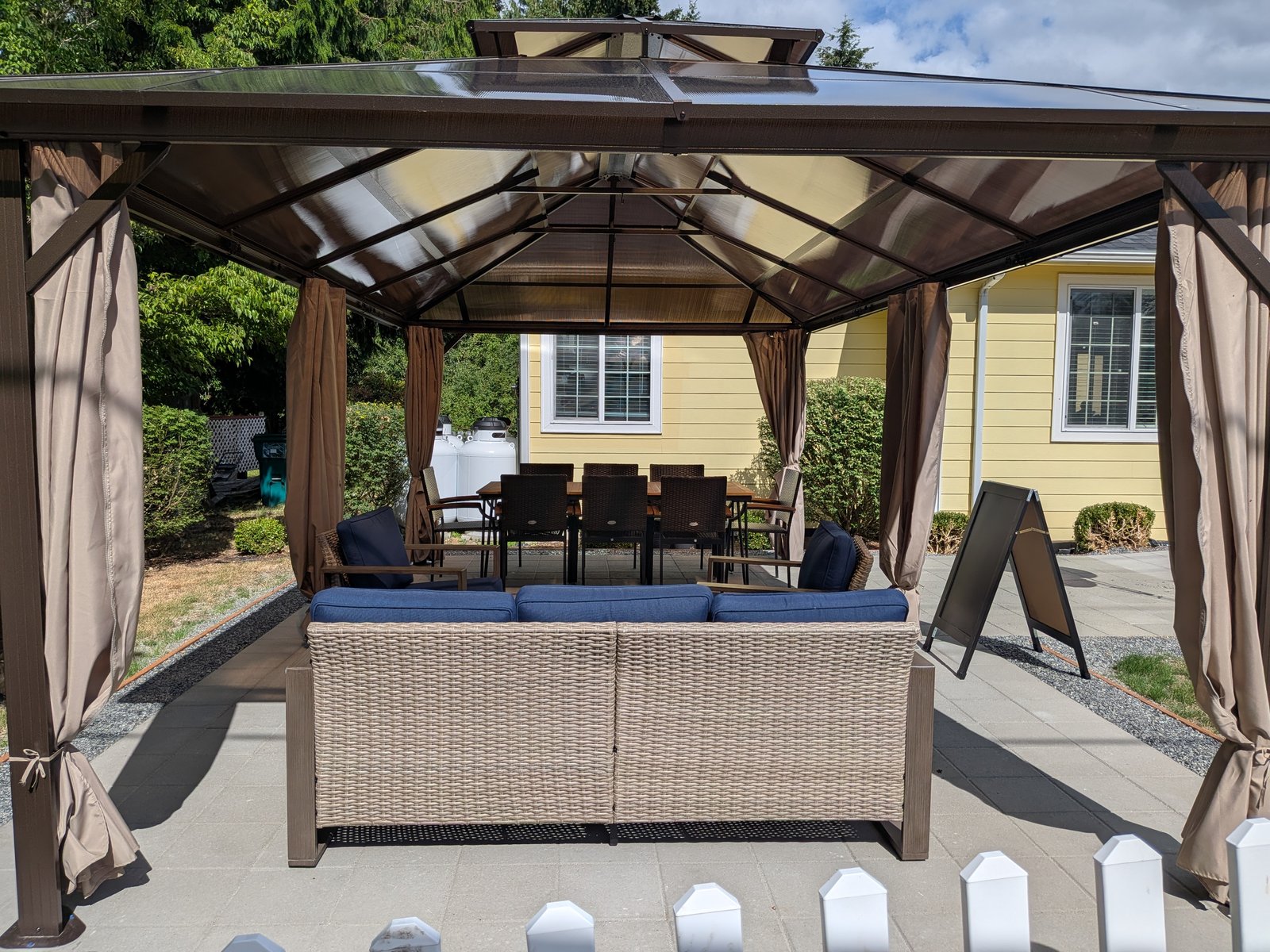
- Adult family home: A residential house in a standard neighborhood. Daily life is organic - meals around a shared table, conversations in the living room, gardening, and small-group outings. Lower noise, fewer strangers, and a predictable routine. This setting particularly benefits seniors with dementia, sensory sensitivities, or anxiety in crowded spaces.
- Assisted living: An apartment community with scheduled programming, restaurant-style dining, and a larger peer group. Structured activities like bingo, exercise classes, and group outings are available daily. Ideal for socially active seniors who want a campus lifestyle with built-in events.
Our approach at Edmonds Villa is to blend the best of both: a warm home environment with personalized activities, community outings, and meaningful daily engagement tailored to each resident's interests and abilities.
Key Comparison: Regulatory Oversight and Licensing
Both adult family homes and assisted living facilities are licensed and inspected by Washington State DSHS. However, the regulatory structures differ:
- AFHs (RCW 70.128): Annual licensing renewal, unannounced inspections, fire safety reviews, and specific staffing qualifications. High-acuity homes receive additional oversight for medication management and nursing protocols.
- Assisted living: Licensed under Chapter 388-78A WAC with periodic inspections, resident rights protections, and disclosure requirements for services and fees.
You can verify any provider's active license using the DSHS Residential Care Facility Search tool. Edmonds Villa holds DSHS license #758617 and welcomes prospective residents and families to verify our standing directly.
When to Choose Adult Family Home Over Assisted Living
An AFH is likely the better choice if your loved one:
- Requires skilled nursing or management of complex medical conditions
- Prefers a quiet, low-stimulation environment with consistent caregivers
- Has dementia or cognitive decline that makes large-group settings overwhelming
- Needs close monitoring and frequent assistance with mobility or toileting
- Values highly personalized care where one team truly knows them
When Assisted Living May Be the Better Fit
Assisted living works well for seniors who:
- Are relatively independent but need some daily assistance
- Thrive on group activities, social programming, and a campus community
- Prefer apartment-style private living quarters
- Do not require skilled nursing or complex medical management
- Are comfortable with rotating staff and larger environments
Making Your Decision: A Practical Checklist
- Assess current and future care needs. Will the setting accommodate your loved one as their condition progresses - or will they face a disruptive transfer?
- Tour both settings. Visit an adult family home and an assisted living community in person. Observe staff interactions, cleanliness, and resident demeanor.
- Ask about discharge policies. Some assisted living facilities require transfer when residents reach certain care thresholds. Know what triggers a discharge.
- Review staffing ratios. Ask how many caregivers are on duty during each shift and how many residents they support.
- Verify licensing. Use the DSHS lookup tool to confirm active, unencumbered licensure for any provider you consider.
- Compare total costs. Get a written breakdown of base rates, care tiers, and any extra fees for medication management, incontinence care, or nursing supervision.
Still unsure which option is right for your family? We can help you navigate this decision. Contact us for an honest, no-pressure conversation about what your loved one needs.
Why High-Acuity Adult Family Homes Fill a Critical Gap
The Washington State senior-care landscape has a middle ground that is often overlooked. Standard assisted living communities excel at serving relatively independent seniors but reach their limit when complex medical needs arise. Skilled nursing facilities, on the other hand, offer full medical care but in a clinical, institutional setting that many families find undesirable.
High-acuity adult family homes like Edmonds Villa bridge that gap - offering RN-supervised skilled care within a genuine home environment. We provide the medical capability of a skilled nursing facility with the warmth, dignity, and person-centered approach of a family home. For families who want their loved one to receive excellent medical care without leaving a homelike setting, this model is often the ideal solution.
Frequently Asked Questions
What is the main difference between an adult family home and assisted living?
The main difference is scale and setting. Adult family homes (AFHs) care for up to six residents in a residential house, with consistent caregivers who know each person intimately. Assisted living facilities typically house 40-200+ residents in an apartment-style building with rotating shifts. AFHs offer more personalized attention and a homelike environment, while assisted living provides more amenities and social programming.
Which is more affordable - adult family home or assisted living?
In Washington State, adult family homes typically range from $4,500 to $9,000 per month depending on care level and location. Assisted living facilities generally range from $5,000 to $12,000+ per month for comparable care tiers. Both may accept COPES Medicaid waivers, VA Aid and Attendance benefits, and long-term care insurance. High-acuity AFHs like Edmonds Villa are often more cost-effective than assisted living communities that must contract outside nursing agencies for the same level of care.
Do adult family homes provide better staff-to-resident ratios than assisted living?
Yes. Adult family homes in Washington are required to maintain a minimum 1:6 staff-to-resident ratio and often achieve 1:3 or better with live-in caregivers. Assisted living facilities typically operate at 1:8 to 1:15 ratios during daytime hours, with lower ratios overnight. For residents requiring frequent assistance or close monitoring, the higher staffing ratios in AFHs are a significant advantage.
Can an adult family home handle medical needs that assisted living cannot?
Standard assisted living communities are not licensed to provide skilled nursing care and often transfer residents whose needs escalate beyond medication management and daily assistance. High-acuity adult family homes like Edmonds Villa - RN-owned and RN-staffed - are equipped to manage complex conditions including dialysis support, tube feeding, Parkinson's care, bariatric care, post-surgical recovery, and neurological condition management that most assisted living facilities cannot accommodate.
Is the social environment better in assisted living or an adult family home?
It depends on personality and preference. Assisted living offers structured group activities, dining rooms, and larger peer groups - ideal for extroverted residents who thrive on programming. Adult family homes provide a quieter, family-style setting with natural daily interactions - meals together, shared living spaces, and outings in small groups. Many seniors with cognitive decline or sensory sensitivities actually engage better in the calmer, low-stimulation environment of an AFH.
How do I decide between an adult family home and assisted living?
Consider care needs first: if you or your loved one requires skilled nursing, wound care, or complex condition management, a high-acuity AFH may be the only appropriate option. If socialization and amenities are the priority, assisted living may be a better fit. Evaluate staff ratios, licensing, cost transparency, and visit both settings in person. Ask about their discharge policy - if a facility cannot hold residents whose care needs increase, you may face an unexpected relocation. Schedule tours at Edmonds Villa and nearby assisted living communities to compare firsthand.
Finding the Right Setting Starts with Knowing the Difference
Both adult family homes and assisted living facilities serve important roles in Washington State's senior care landscape, but they are not interchangeable. The choice comes down to matching your loved one's specific medical needs, personal preferences, and financial situation to the setting that can best support them. An AFH offers intimacy, consistency, and often greater medical capability at a lower cost. Assisted living provides amenities, social programming, and a larger community. Understanding the trade-offs is the first step toward making a confident decision.
The steps are concrete even when the emotional weight of the decision is not. Assess care needs honestly. Tour in person. Ask the hard questions. And when the answer points toward high-acuity care in a homelike setting, know that you have more options than a skilled nursing facility.