Oncology and Cancer Management
at Edmonds Villa
Comprehensive cancer care support including symptom management, medication administration, nutritional support, and palliative care coordination. Our 6-bed adult family home provides personalized attention in a comfortable, homelike environment.
Caring for a Loved One Through Cancer Treatment
Sandra, RN, owner and operator of Edmonds Villa, on what caring for a resident through cancer treatment actually requires.
Expert Oncology and Cancer Management
in a Home Setting
According to the National Cancer Institute, comprehensive cancer care requires coordinated support throughout treatment. Many patients need skilled nursing support during chemotherapy, radiation, and palliative care but prefer a homelike setting over institutional facilities.
At Edmonds Villa, we've developed specialized capabilities in oncology and cancer management. Our trained staff, proper equipment, and intimate setting allow us to provide the comprehensive care that cancer patients need.
Finding appropriate care for cancer patients can be challenging. Many assisted living facilities lack the specialized training and protocols needed for oncology care. Edmonds Villa fills this gap with expert cancer care in a true home environment.
Discuss Your Needs →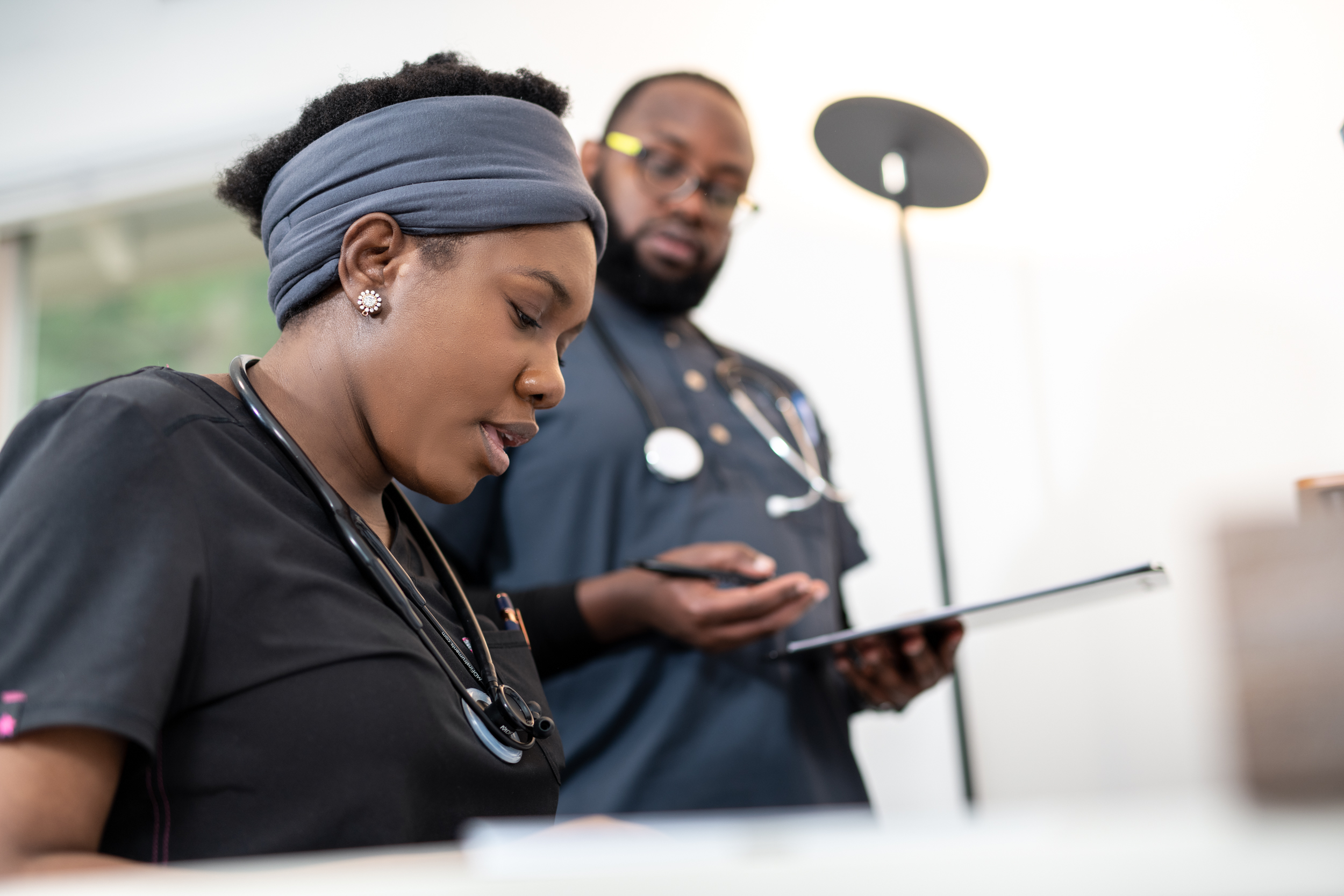
Home Setting
Oncology and Cancer Management Support
Comprehensive cancer care from trained staff in our specialized adult family home
Our oncology and cancer management capabilities include:
- Skilled nursing oversight during cancer treatment
- Medication management including chemotherapy support
- Symptom management for pain, nausea, and fatigue
- Coordination with oncology specialists and palliative care
- Nutritional support for cancer-related appetite issues
- Emotional support and counseling coordination
Our nursing staff provides medical oversight while our caregivers deliver hands-on support with dignity and compassion. The small 6-bed setting ensures consistent caregivers who know each resident's unique needs.
Personalized Attention
for Complex Needs
The National Institute on Aging suggests that smaller care settings often lead to better resident satisfaction. For oncology and cancer management, this personalized attention matters even more.
Specialized Training
Our staff receives specific training in oncology and cancer management, going beyond basic certification to ensure competent, confident care.
Consistent Caregivers
With only 6 residents, your loved one is cared for by staff who know their specific needs, preferences, and routines.
Nursing Oversight
Licensed nurses (RN/LPN) provide medical supervision, medication management, and coordination with physicians.
Home Environment
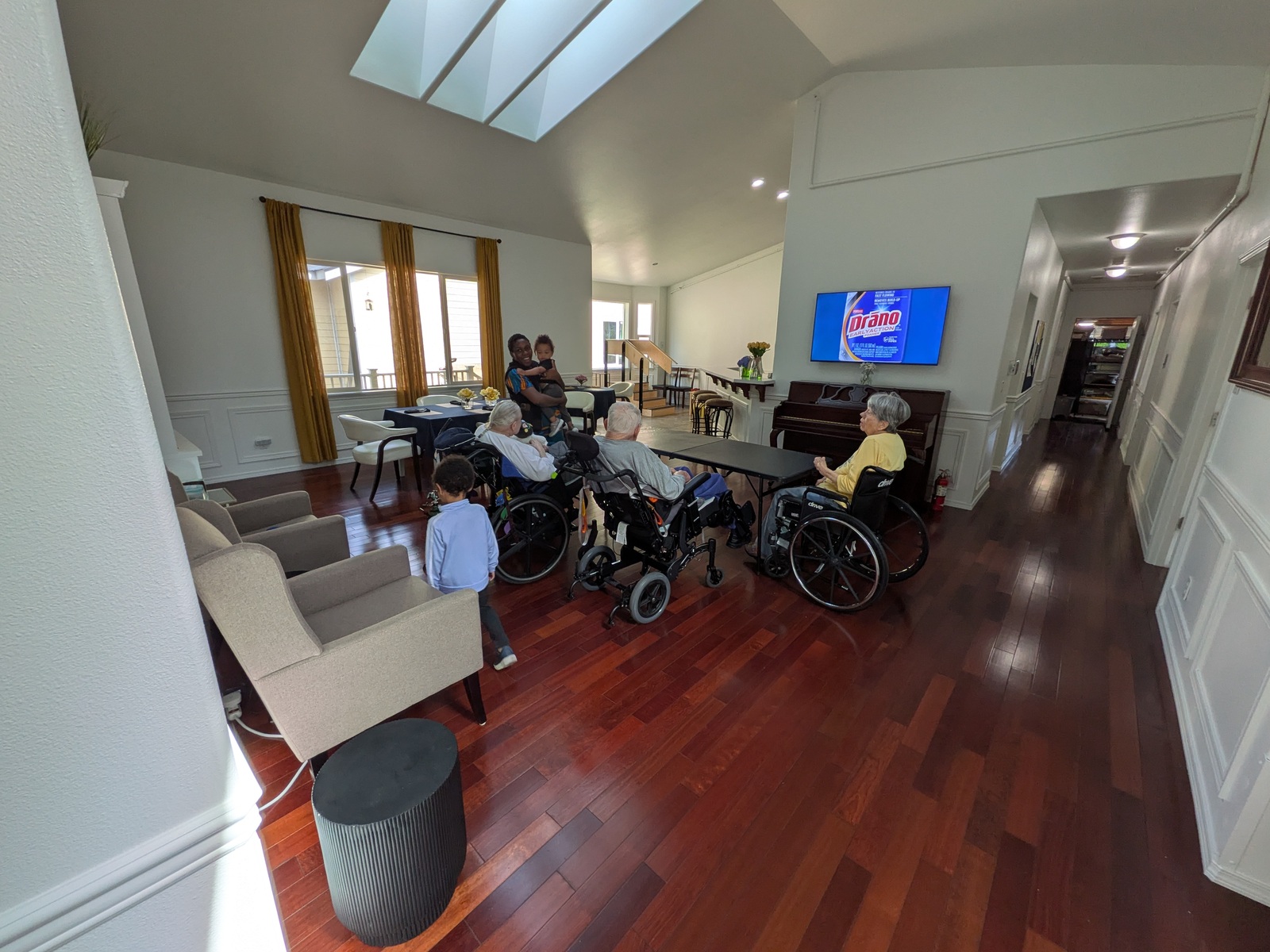
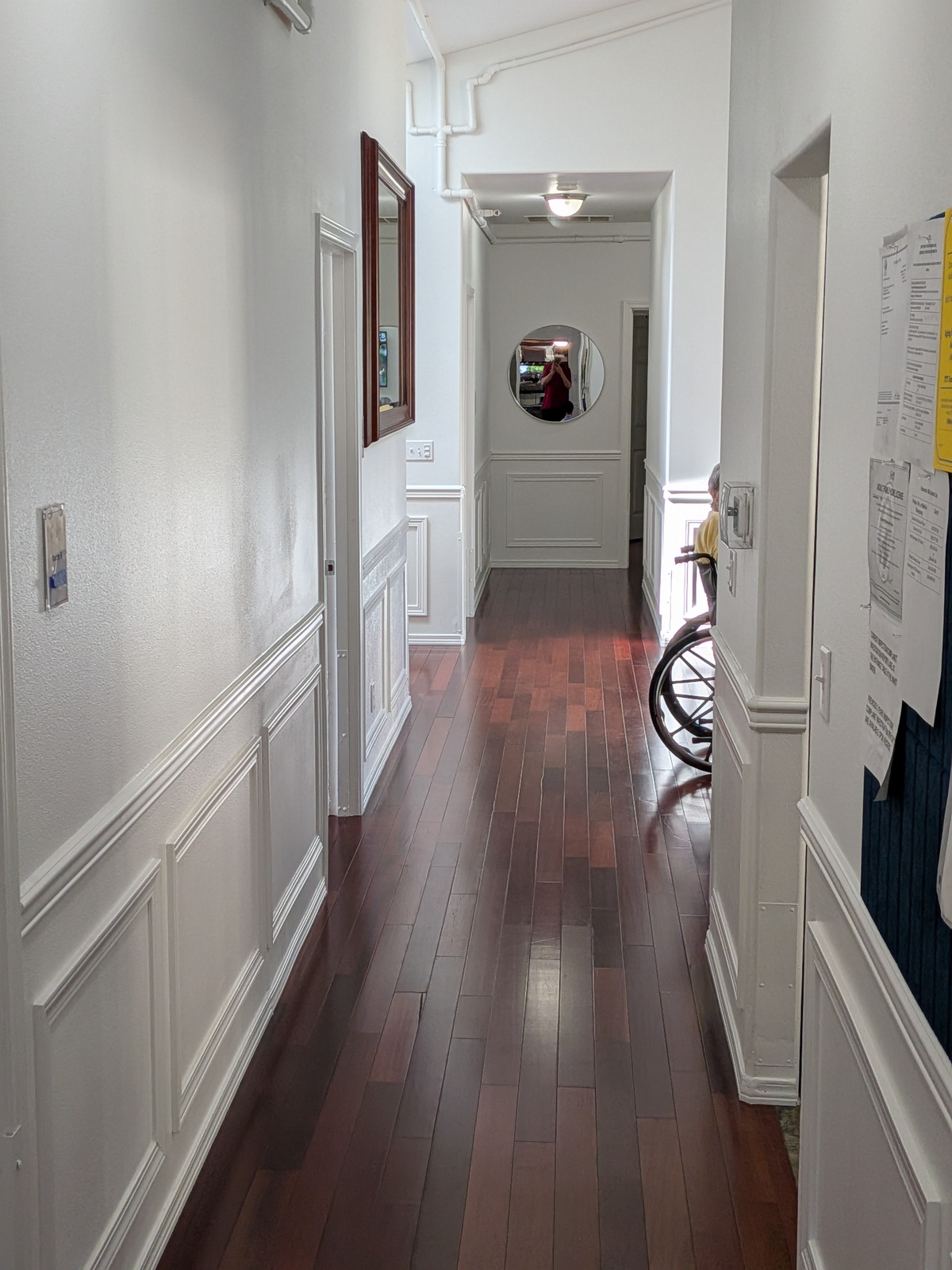
Real home setting with home-cooked meals, comfortable spaces, and the dignity of living in a house, not a facility.

Oncology and Cancer Management Throughout the Region
We serve families from communities throughout South Snohomish County and North King County
Supporting a Resident Through Cancer Treatment
Cancer care in a residential home is largely about absorbing the side effects of treatment so your loved one can keep receiving it. Chemotherapy and radiation schedules are set by an oncology team; the home's contribution is the days in between, when nausea, exhaustion, mouth sores, and loss of appetite decide whether a resident can eat, walk, or sleep. A home that understands that rhythm can keep someone out of the hospital between cycles.
Fatigue is the side effect that shapes the day
Cancer-related fatigue is not ordinary tiredness and does not resolve with a nap. It is a deep, whole-body depletion that can make a shower feel like a workout, and it is often worst in the days right after treatment. The response is not to stop moving but to ration energy deliberately: the most demanding activity in the morning when the resident is freshest, rest scheduled before exhaustion rather than after, and help with bathing and dressing offered rather than waiting to be asked. Staff watch for the point where fatigue tips into breathlessness, confusion, or fever, because those are not fatigue. The American Cancer Society explains the difference and what actually helps.
Eating and drinking when appetite disappears
Weight loss during treatment comes from several directions at once: nausea, altered taste, mouth sores, early fullness, and a body burning more energy than usual. Forcing large meals rarely works. Smaller offerings more often, cold or room-temperature foods when smells are triggering, high-protein choices in small volumes, and treating a milkshake or a bowl of soup as a legitimate meal all help more. Mouth care before eating makes food taste better. Hydration deserves its own attention, since dehydration worsens both nausea and confusion, so staff track intake closely during any stretch when a resident is losing weight.
Pain control belongs on a schedule
Pain that is allowed to build before it is treated is harder to bring back down, which is why around-the-clock dosing is usually preferred to waiting for a request. Staff assess pain with a tool the resident can actually use, including simple faces or numbers for someone who cannot describe it well, and they watch for non-verbal signs such as grimacing, guarding, or restlessness. Constipation from pain medication is predictable and should be prevented rather than treated after the fact. Breakthrough doses are documented so the prescriber can see whether the baseline regimen is working.
Infection risk during treatment
Chemotherapy can lower white blood cell counts, and in that window a mild illness becomes a medical emergency. A temperature of 100.4 or higher needs a call to the oncology team the same day, not a wait-and-see approach, and staff should know the resident's most recent counts. Hand hygiene by everyone entering the room, avoiding visitors who are sick, keeping the home clean, and being cautious about crowds protect someone whose immune system cannot. Mouth sores and breaks in the skin are also portals for infection, so both get daily attention. The National Cancer Institute has patient-facing information on this window and its warning signs.
Coordinating with the oncology team
Treatment schedules, lab draws, scans, and infusions all generate appointments, and someone has to keep them straight. A home that keeps a current medication list, records symptoms between visits in a form the oncologist can use, arranges transportation, and reports changes the same day is doing the work that makes treatment tolerable. Ask what happens when a resident needs to reach an infusion appointment on a day when staffing is tight, and how the home would manage a sudden decline on a weekend. The answers reveal whether the home is genuinely set up for oncology residents or merely willing to accept them.
Oncology and Cancer Management FAQs
What is oncology and cancer management at Edmonds Villa?
Oncology and cancer management provides comprehensive care for patients undergoing cancer treatment, including symptom management, medication administration, nutritional support, palliative care coordination, and emotional support in a homelike setting.
How long do oncology and cancer management stays typically last?
Stay length varies based on individual treatment plans and recovery needs, typically ranging from several weeks to ongoing care. We work with oncology teams to provide continuous support throughout treatment.
Does Edmonds Villa coordinate with oncology specialists?
Yes. We coordinate closely with oncology teams, including oncologists, radiologists, and palliative care specialists. We follow prescribed treatment plans and provide regular updates to the medical team.
What cancer-related conditions does Edmonds Villa support?
We support patients undergoing chemotherapy, radiation therapy, immunotherapy, and those in palliative care stages. We manage symptoms like pain, nausea, fatigue, and provide nutritional support for cancer patients.
Can oncology patients transition to long-term care if needed?
Yes. Many cancer patients benefit from ongoing supportive care at Edmonds Villa. We provide continuity of care from active treatment through palliative stages, adapting to changing needs over time.
Discuss Oncology and Cancer Management Needs
Every cancer journey is unique. Contact us to discuss your loved one's specific needs and learn how Edmonds Villa can provide comprehensive cancer care support.