Dialysis Support
at Edmonds Villa
On-site support for peritoneal dialysis (PD) and home hemodialysis (HHD) patients. Our trained staff assists with treatment schedules, monitors for complications, and coordinates with nephrology teams in our homelike setting.
Home Dialysis, and the Home That Can Take It
Sandra, RN, owner and operator of Edmonds Villa, on the two kinds of dialysis and what a residential setting has to do to support them.
Supporting Patients
on Home Dialysis
According to the National Kidney Foundation, home dialysis options including peritoneal dialysis and home hemodialysis offer flexibility and can improve quality of life for many patients with end-stage kidney disease. However, these treatments require consistent support and monitoring.
Many families struggle to find residential care settings that can properly support dialysis patients. Traditional assisted living facilities often lack the training and protocols needed for safe dialysis support. Edmonds Villa fills this gap with specialized dialysis care capabilities in a homelike environment.
Our staff is trained to support the unique needs of dialysis patients, from treatment assistance to complication monitoring to coordination with nephrology teams. We understand that dialysis is a significant part of your loved one's life, and we're equipped to make that experience as comfortable and safe as possible.
Discuss Your Needs →
& Support
Comprehensive Dialysis Support
We support both peritoneal dialysis (PD) and home hemodialysis (HHD) patients with trained staff and proper protocols
Treatment Scheduling
We help maintain consistent treatment schedules, ensuring dialysis is performed at appropriate times according to your loved one's prescription.
Complication Monitoring
Our trained staff monitors for signs of infection, fluid imbalance, and other dialysis-related complications, responding promptly to concerns.
Catheter Care
Proper catheter site care following established protocols to minimize infection risk and maintain access function.
Supply Management
Coordination with dialysis suppliers to maintain adequate inventory and proper storage of all necessary supplies and solutions.
Nephrology Coordination
Regular communication with your loved one's nephrology team, including updates on treatment adherence and any concerns.
Vital Signs Monitoring
Regular monitoring of blood pressure, weight, and other vital signs important for dialysis patients' overall health.
Peritoneal Dialysis &
Home Hemodialysis
The National Institute of Diabetes and Digestive and Kidney Diseases provides comprehensive information about dialysis options. Edmonds Villa supports both major home dialysis modalities.
Peritoneal Dialysis (PD)
Support for continuous ambulatory peritoneal dialysis (CAPD) and automated peritoneal dialysis (APD), including exchange assistance and catheter care.
Home Hemodialysis (HHD)
Support for residents performing home hemodialysis, including schedule management, monitoring during treatments, and coordination with dialysis providers.
Transition Support
Assistance for patients transitioning to home dialysis from in-center treatments, working with dialysis teams to ensure a smooth adjustment.
Emergency Response
Protocols for dialysis emergencies including peritonitis signs, access problems, and fluid imbalances requiring immediate attention.
Beyond Dialysis Support
Dialysis patients often have multiple care needs that we address comprehensively
According to the National Kidney Foundation, nutrition plays a crucial role in the health of dialysis patients. At Edmonds Villa, we provide holistic support including:
- Renal Diet Support: Meals tailored to kidney disease dietary requirements, including appropriate restrictions on sodium, potassium, and phosphorus as prescribed.
- Medication Management: Proper administration of phosphate binders, EPO, and other dialysis-related medications alongside regular medications.
- Fluid Monitoring: Careful tracking of fluid intake and output, weight monitoring, and communication with nephrology about fluid management.
- Comorbidity Management: Many dialysis patients have diabetes, heart disease, or other conditions. We provide coordinated care for all health needs.
- Transportation Coordination: For any required clinic visits, dialysis center appointments, or nephrology consultations.
- Quality of Life Focus: Activities, socialization, and emotional support recognizing that life on dialysis can be challenging.
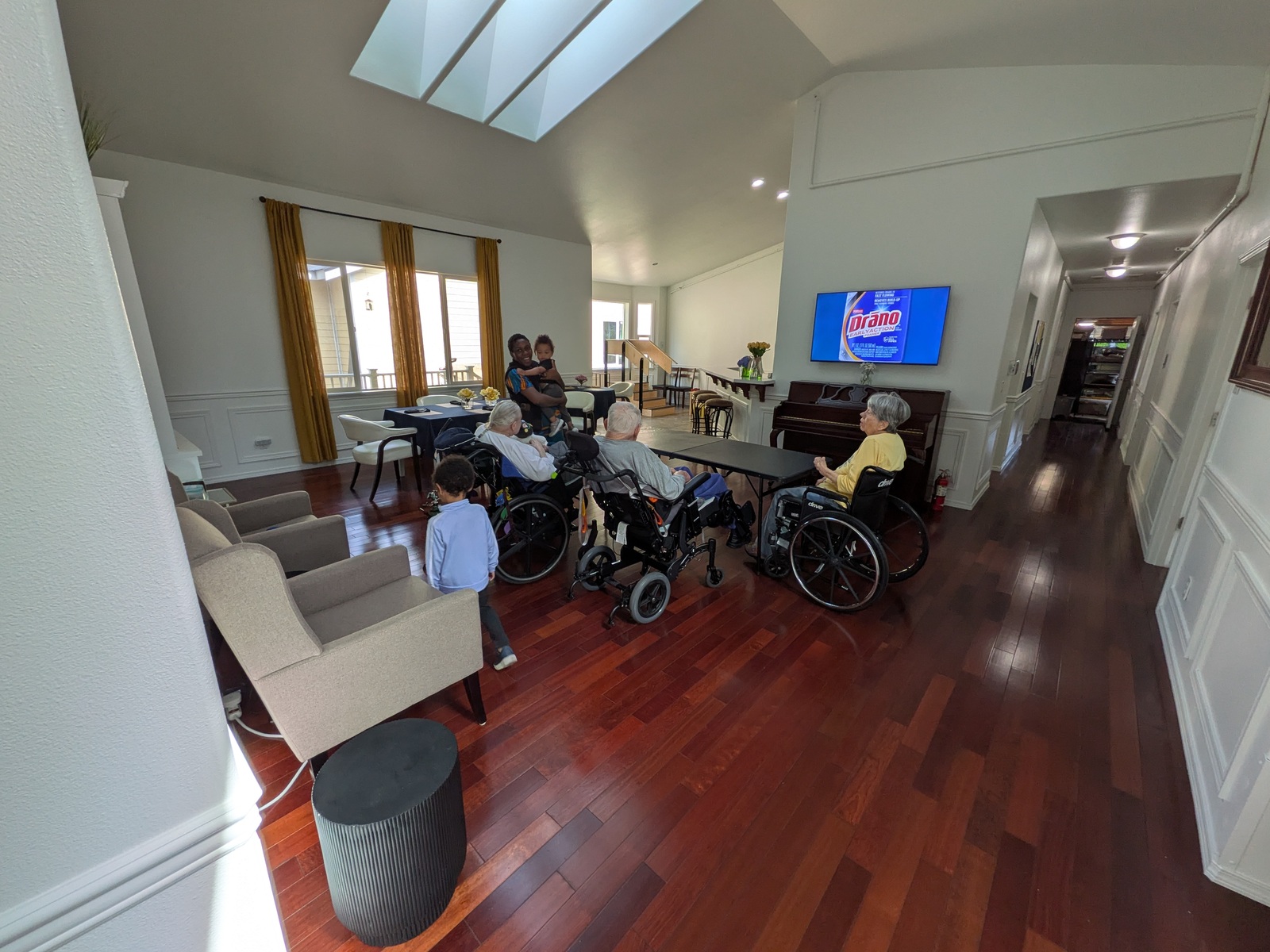
Our small 6-bed setting means dialysis patients receive individualized attention and care from staff who know them well. We believe this personalized approach leads to better outcomes and quality of life for dialysis patients.
Dialysis Support Throughout the Region
We serve dialysis patients and families from communities throughout South Snohomish County and North King County
Peritoneal Dialysis in a Residential Home
Peritoneal dialysis gives a resident far more control over daily life than a hemodialysis schedule does, but it moves the clinical work into the home. Instead of three trips a week to a unit, there are exchanges to perform every day, a cycler to run overnight, and a clean space to maintain. A home that supports peritoneal dialysis well has built the routine around the resident rather than squeezing the treatment into a spare hour.
What an exchange actually involves
Dialysis solution flows into the abdominal cavity through a catheter, dwells there while it draws waste and excess fluid across the peritoneal membrane, then drains out. A manual exchange takes roughly half an hour from setup to final drain and is usually done four times a day at spaced intervals. The fluid that drains out is inspected every time, because a cloudy bag is the earliest sign of infection and a change in volume tells the team whether the prescription is working. The timing matters as much as the technique, since dwelling too long or too briefly changes how much clearance the treatment achieves.
The cycler, the supplies, and the space
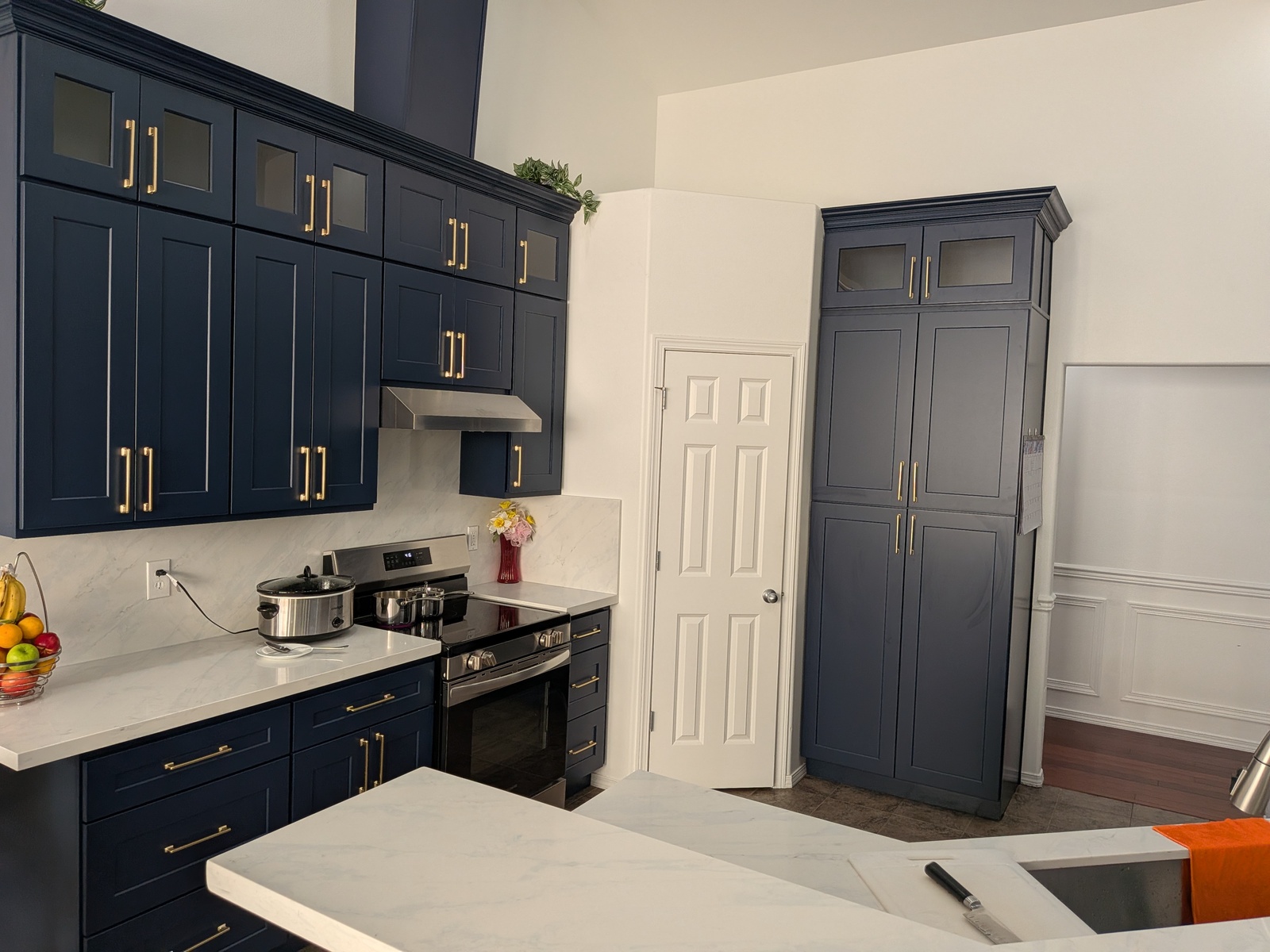
An automated cycler performs several exchanges overnight while the resident sleeps, which frees the daytime but requires a reliable machine, a power source that does not fail, and a sleeping position that keeps the catheter undisturbed. Supplies arrive by the case: solution bags, tubing sets, caps, gauze, and antiseptic, all of which need dry storage and rotation so nothing expires at the back of the stack. A home taking peritoneal dialysis residents has to store several weeks of it, keep the room clean enough for a sterile procedure, and have a plan for a power outage or a delivery that does not arrive. When you tour, ask to see where the supplies would live.
Aseptic technique is the whole game
Peritonitis, an infection of the abdominal lining, is the complication that ends peritoneal dialysis for many people, and it almost always comes from a break in technique rather than bad luck. That means washing hands and wearing a mask, cleaning the connection with the right antiseptic and letting it dry, never touching the sterile ends, and never reusing a cap. Staff should be able to walk you through their routine without looking it up. Catheter exit-site care is separate and just as important: the site is kept clean and dry, secured so it does not pull, and checked daily for redness or discharge. The National Kidney Foundation publishes patient guidance on technique and infection prevention.
Fluid balance and the numbers that matter
Because the treatment removes fluid, daily weight and drain volumes are the primary measure of whether the prescription is right. Staff record the volume in and out of each exchange, along with weight, blood pressure, and any swelling, and they watch for the signs of overhydration or dehydration in between. Fluid limits and a renal diet, usually restricted in sodium, potassium, and phosphorus, have to be followed at every meal, which is easier in a home where one kitchen and one cook handle everything. A resident whose weight jumps or whose blood pressure drops after an exchange needs a call to the renal team that day.
Working with the renal care team
Nephrologists, dialysis nurses, and dietitians set the prescription and revise it as kidney function changes, and the home's role is to carry it out precisely and report what it sees. That means labs drawn on schedule, accurate records carried to appointments, and prompt calls about cloudy fluid, fever, abdominal pain, or a catheter that will not drain. Some residents move between peritoneal dialysis and home hemodialysis over time, and a home worth considering should be able to describe how it would handle either. The NIDDK's kidney disease information is a solid reference for families learning the terminology.
Dialysis Care FAQs
Does Edmonds Villa perform dialysis treatments?
Edmonds Villa supports patients receiving peritoneal dialysis (PD) and home hemodialysis (HHD). Our trained staff assists with treatment schedules, monitors for complications, maintains supplies, and coordinates with nephrology teams. We do not operate as a dialysis clinic but provide the residential support dialysis patients need.
What dialysis training do Edmonds Villa staff receive?
Our caregivers receive specialized training in dialysis support, including recognizing signs of complications, proper catheter care protocols, supply management, and emergency response procedures. We work closely with each patient's nephrology team to ensure consistency with treatment plans.
Can Edmonds Villa coordinate with my loved one's nephrologist?
Yes. We communicate regularly with residents' nephrology teams, providing updates on treatment adherence, vital signs, and any concerns. We coordinate appointments and ensure continuity between dialysis care and overall health management.
What if there's a dialysis emergency?
Our staff is trained to recognize dialysis-related emergencies including signs of infection, fluid overload, and access problems. We have protocols for emergency response and maintain communication with nephrology providers for urgent situations.
Does Edmonds Villa handle dialysis supplies?
We coordinate dialysis supply management, ensuring adequate inventory for treatments and proper storage of supplies. We work with dialysis suppliers to maintain uninterrupted access to necessary materials.
Discuss Dialysis Care Needs
Every dialysis patient's situation is unique. Contact us to discuss your loved one's specific needs and learn how Edmonds Villa can provide appropriate support.