Bariatric Care
at Edmonds Villa
Specialized care for patients with obesity in a dignified, properly-equipped environment. Our 6-bed adult family home provides the equipment, trained staff, and personalized attention that bariatric patients need and deserve.
Bariatric Care Challenges
in Long-Term Settings
Patients with obesity often face significant challenges when seeking appropriate long-term care. According to the Centers for Disease Control and Prevention (CDC), over 40% of American adults have obesity, yet many care facilities lack the equipment, space, and training to serve this population safely and with dignity.
At Edmonds Villa, we've made intentional investments in bariatric care capabilities. Our facility includes specialized equipment, modified spaces, and staff trained in bariatric care techniques. We understand that appropriate bariatric care requires more than just larger beds—it requires a comprehensive approach to safety, dignity, and quality of life.
Finding the right care facility for a bariatric patient can be frustrating. Many facilities cannot accommodate larger patients, and those that can may not provide the personalized attention your loved one deserves. Edmonds Villa fills this gap with dedicated bariatric care in an intimate, homelike setting.
Discuss Your Needs →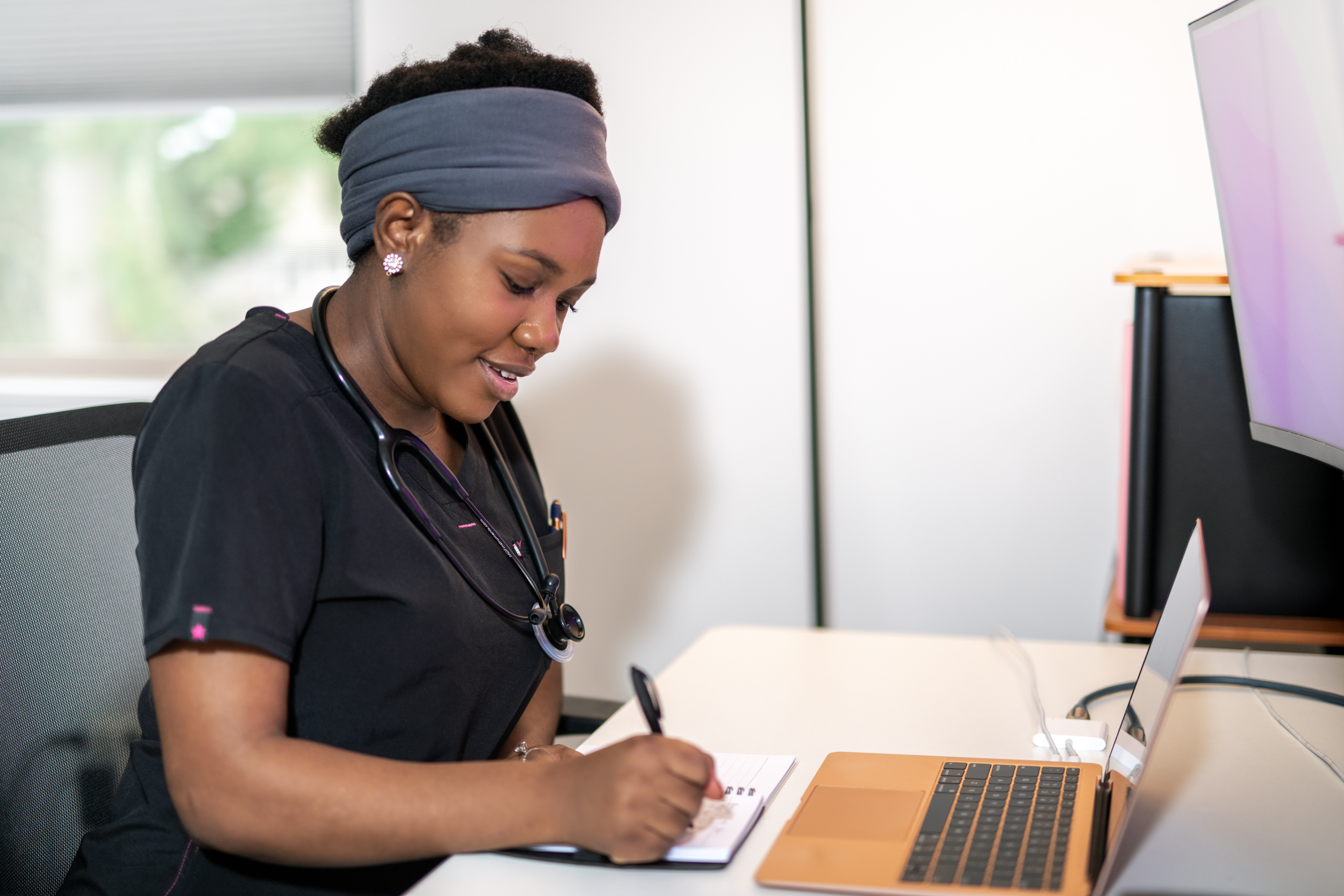
Home Setting
Specialized Bariatric Equipment
Edmonds Villa is equipped with bariatric-rated equipment designed to support larger patients safely
Bariatric Beds
Beds with appropriate weight capacity and width for comfortable sleep and easy repositioning throughout the day and night.
Lift Systems
Mechanical lift equipment designed for bariatric patients, enabling safe transfers without injury to residents or caregivers.
Reinforced Seating
Reinforced furniture throughout common areas, ensuring residents can participate in social activities comfortably and safely.
Mobility Aids
Bariatric wheelchairs and mobility aids for residents who need assistance moving around our home and attending appointments.
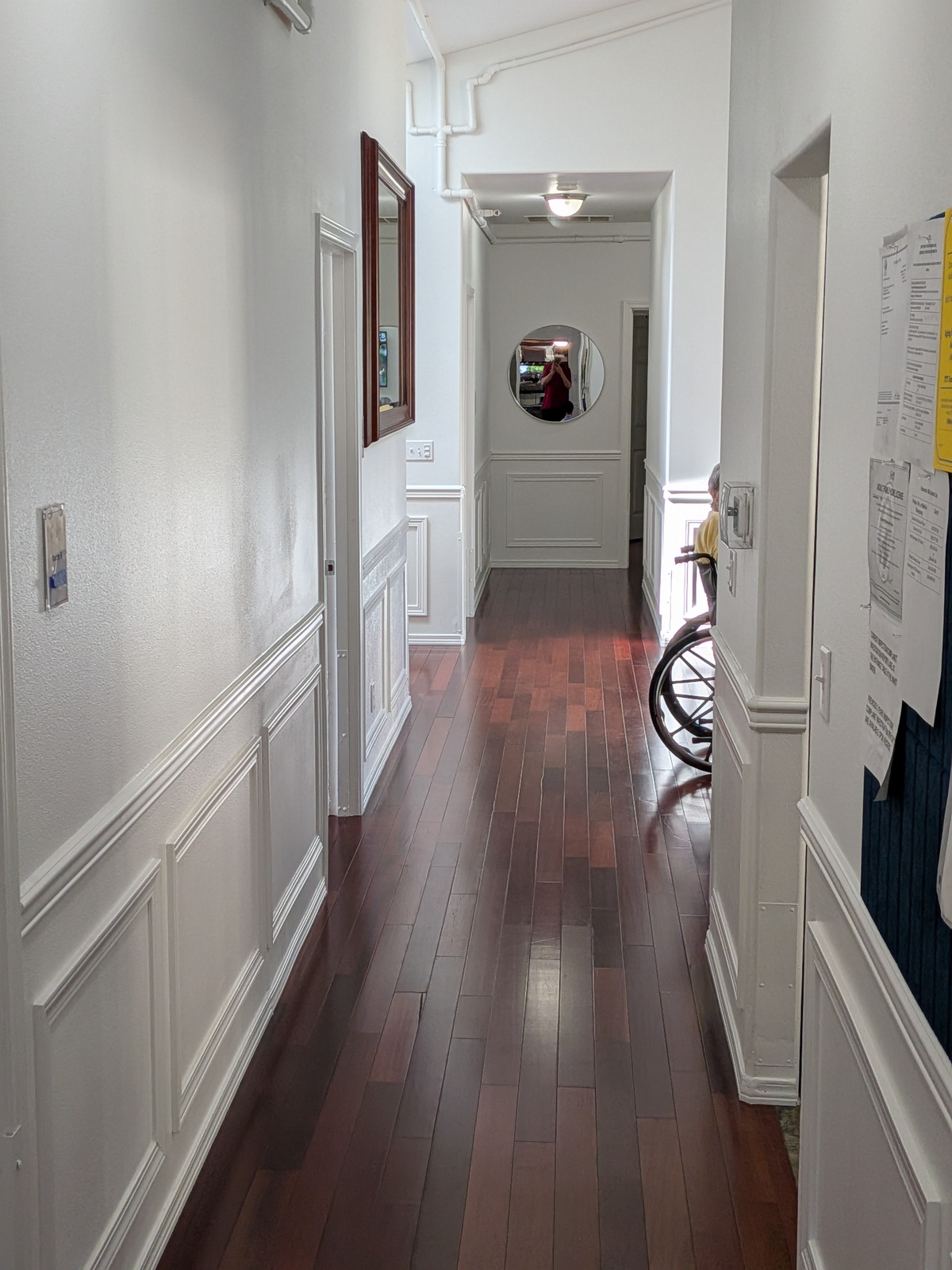
Widened Doorways
Doorways that allow passage of bariatric wheelchairs and equipment throughout our facility without restriction.
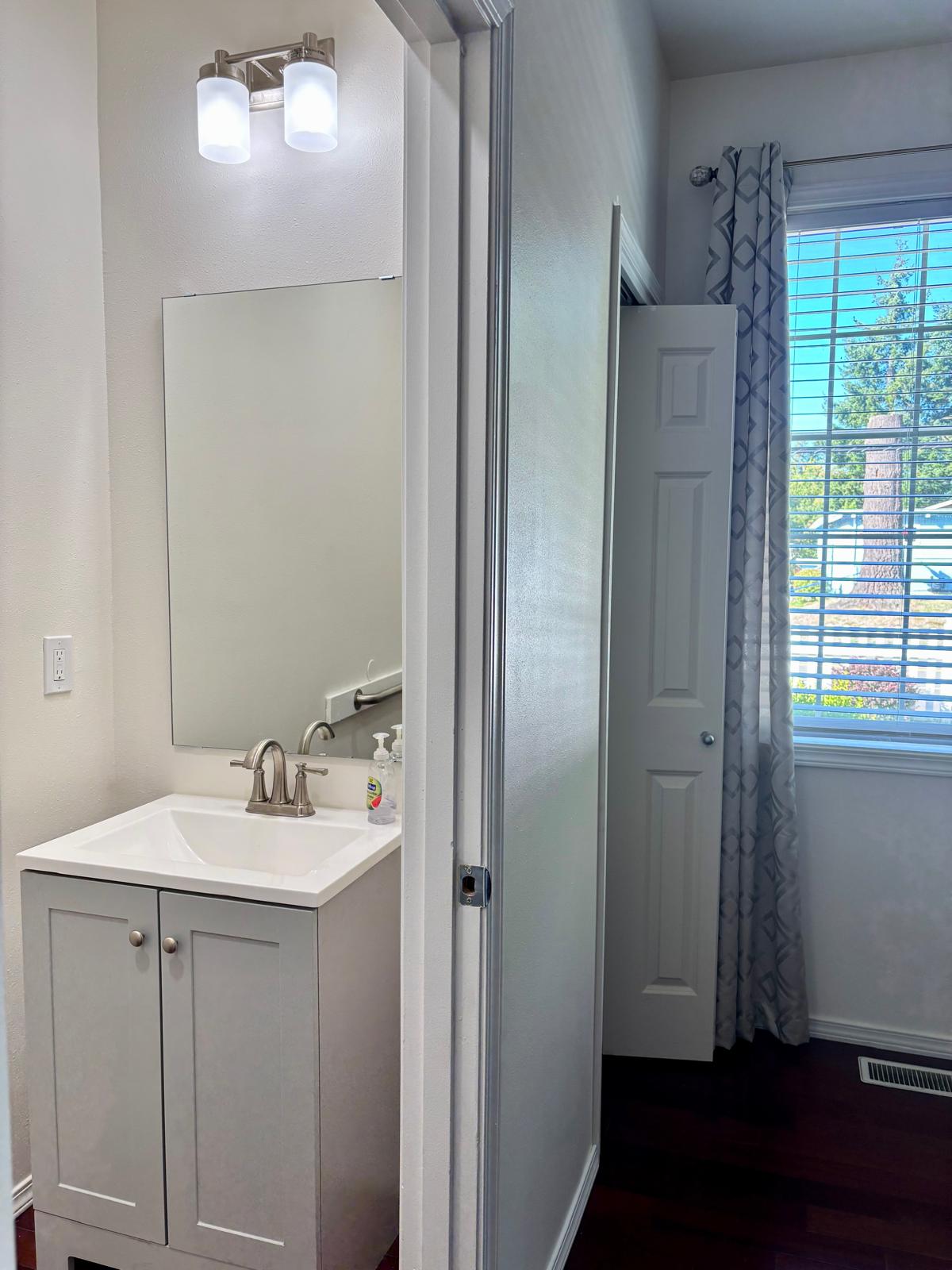
Accessible Bathrooms
Bathrooms with adequate space for transfers and personal care, including reinforced fixtures and shower seats.
Trained Caregivers for
Bariatric Patients
The American Nurses Association emphasizes that safe patient handling is essential in bariatric care to prevent injuries. Our investment in proper equipment and training reflects this commitment to safety.
Safe Transfer Techniques
Our staff is trained in bariatric transfer techniques that protect both residents and caregivers during all movements and repositioning activities.
Equipment Proficiency
Caregivers are thoroughly trained in proper use of bariatric equipment including lifts, beds, and mobility aids for maximum safety and comfort.
Skin Integrity Monitoring
Special attention to skin integrity prevents pressure injuries, which are a particular concern for larger patients requiring frequent repositioning.
Sensitivity Training
All staff receives sensitivity training to ensure respectful, dignified care interactions that focus on the person, not their weight.
Dignified, Person-Centered Care
Beyond equipment and physical capabilities, bariatric care at Edmonds Villa is characterized by dignity and respect
We understand that many bariatric patients have experienced stigma in healthcare settings. Our approach focuses on the person, not their weight. We provide:
- Respectful communication that focuses on care needs and preferences, never on body size or weight
- Privacy during personal care with appropriate time allowances for thorough, dignified assistance
- Individualized care plans that address each resident's specific needs, abilities, and goals
- Nutritional support that balances health goals with quality of life and personal preferences
- Encouragement of activity and mobility to the extent appropriate for each individual
Conditions We Support Alongside Bariatric Care
Bariatric patients often have multiple health conditions that require coordinated care. At Edmonds Villa, we can support bariatric residents with:
- Diabetes and metabolic conditions requiring medication management and monitoring
- Heart disease and cardiovascular conditions
- Respiratory conditions including COPD and sleep apnea
- Mobility limitations and arthritis
- Wound care needs including pressure injury prevention and treatment
- Post-surgical recovery including bariatric surgery recovery
Our nursing oversight ensures these conditions are properly monitored and managed alongside bariatric-specific care needs. Research from the National Institute on Aging suggests that smaller care settings often lead to better resident satisfaction and outcomes—exactly what bariatric patients deserve.
Bariatric Care for Families Throughout the Region
We serve families seeking bariatric care from communities throughout South Snohomish County and North King County
What Bariatric Care Actually Requires of a Care Home
Bariatric care is less about owning one piece of equipment than about whether the whole household was set up for a heavier resident. A bed rated to 350 pounds, a lift kept in a closet, and a narrow bathroom door add up to a resident waiting on two caregivers and a workaround. When you evaluate a home for a loved one who weighs more than 250 pounds, the useful question is not whether they accept bariatric residents but what a transfer looks like at six in the morning.
Equipment capacity is the first test
Every device in the chain carries its own weight rating, and the safe capacity of the system is the lowest rating in it: the bed frame, the mattress, the lift, the sling, the shower chair, the wheelchair, the gait belt. Floor lifts and ceiling lifts have different footprints and different staffing implications, since a ceiling lift can often be run by one trained caregiver where a floor lift needs two. Ask what happens if your loved one gains or loses forty pounds, because slings and ratings have to be rechecked at that point.
Residential buildings also impose limits a hospital does not. Doorway widths, the turning radius inside a bathroom, the load a floor will take under a lift, and whether a threshold blocks a wheelchair all shape what is possible. The NIDDK's overview of adult overweight and obesity is a plain-language starting point for families sorting through the medical picture.
Transfers and mobility, done with dignity
How a transfer is performed matters more than how fast it is finished. A mechanical lift with the correct sling size, a properly fitted bariatric wheelchair, and a consistent two-person technique protect the resident's skin and joints along with the caregiver's back. Residents who can still bear some weight should be encouraged to stand and pivot with support rather than being lifted entirely, because those movements preserve strength and balance. Dignity is mostly planning: closing a door, narrating each step, and never leaving someone waiting in an exposed position while equipment is fetched.
Skin integrity and moisture management
Extra weight multiplies the pressure and shear over the sacrum, heels, hips, and under skin folds. Moisture is the quiet problem, because perspiration and incontinence trapped in a fold create exactly the warm, damp environment where yeast and bacteria flourish. Good care means checking and drying folds at every change, using barrier creams instead of powder, repositioning on a schedule the resident can tolerate, and inspecting the areas your loved one cannot see. Pressure-redistribution surfaces and a written turning schedule are the backbone of prevention, and a reddened area that does not blanch should reach a nurse the same day.
The respiratory load of extra weight
Carrying more weight raises the work of every breath and every step. Residents may drop their oxygen level when lying flat, tire midway through a shower, or become winded simply turning in bed. Pacing activity into short segments, elevating the head of the bed, watching saturation during exertion, and using prescribed CPAP or BiPAP all reduce that strain. The CDC's obesity resources cover the conditions that tend to arrive together, from sleep apnea to joint disease, and change what a care plan has to address.
What to look for when you tour
Walk the route your loved one would travel and count the pinch points. Ask to see the lift and its rating rather than a brochure photo. Ask who is trained to run it and how many staff are on duty overnight, because a two-person transfer at 2 a.m. depends entirely on that answer. Ask how the home handles a resident who becomes heavier or less mobile over time, and whether it has ever had to decline care because the equipment was not up to it. A home that answers these questions concretely, without deflecting, has usually thought about the parts you did not think to ask.
Bariatric Care FAQs
What bariatric equipment does Edmonds Villa have?
Edmonds Villa is equipped with bariatric beds rated for higher weight capacities, appropriate lift equipment for safe transfers, reinforced furniture, widened doorways and bathroom access, and specialized personal care supplies. Our facility is designed to accommodate larger patients safely and comfortably.
What weight capacity can Edmonds Villa accommodate?
Our bariatric equipment and facility modifications accommodate patients with significant weight. We encourage families to contact us directly to discuss specific needs, as appropriate care depends on multiple factors beyond weight alone, including mobility, medical conditions, and care requirements.
How do caregivers at Edmonds Villa handle bariatric transfers?
Our caregivers receive specialized training in bariatric transfer techniques and proper use of lift equipment. We follow evidence-based protocols that protect both residents and caregivers during transfers, repositioning, and personal care activities.
Does bariatric care cost more at Edmonds Villa?
Care costs are based on overall care needs rather than weight alone. Bariatric residents may have additional care requirements that factor into personalized care plans. We discuss costs transparently during the assessment process.
Can Edmonds Villa help bariatric patients with mobility?
Yes. We assist bariatric residents with mobility including transfers, repositioning, ambulation when appropriate, and use of mobility devices. Our goal is to maintain and improve mobility to the extent possible while ensuring safety.
Discuss Bariatric Care Needs
Every situation is unique. Contact us to discuss your loved one's specific needs and learn how Edmonds Villa can provide appropriate, dignified bariatric care.