Enteral Feeding & TPN
at Edmonds Villa
Expert J-tube, G-tube, and Total Parenteral Nutrition (TPN) management with proper nutrition protocols and trained staff. Our 6-bed adult family home provides personalized attention in a comfortable, homelike environment.
Expert Tube Feeding & TPN
in a Home Setting
Enteral feeding through G-tubes and J-tubes, as well as Total Parenteral Nutrition (TPN), provides essential nutrition for patients who cannot safely eat by mouth or need supplemental nutrition. According to the American Society for Parenteral and Enteral Nutrition (ASPEN), proper nutrition support management requires trained caregivers and consistent protocols.
At Edmonds Villa, we've developed specialized capabilities in both enteral feeding and TPN. Our trained staff, proper equipment, and intimate setting allow us to provide the care that many facilities cannot accommodate.
Finding appropriate care for complex medical needs can be challenging. Many assisted living facilities lack the training and protocols needed. Edmonds Villa fills this gap with specialized care in a true home environment.
Discuss Your Needs →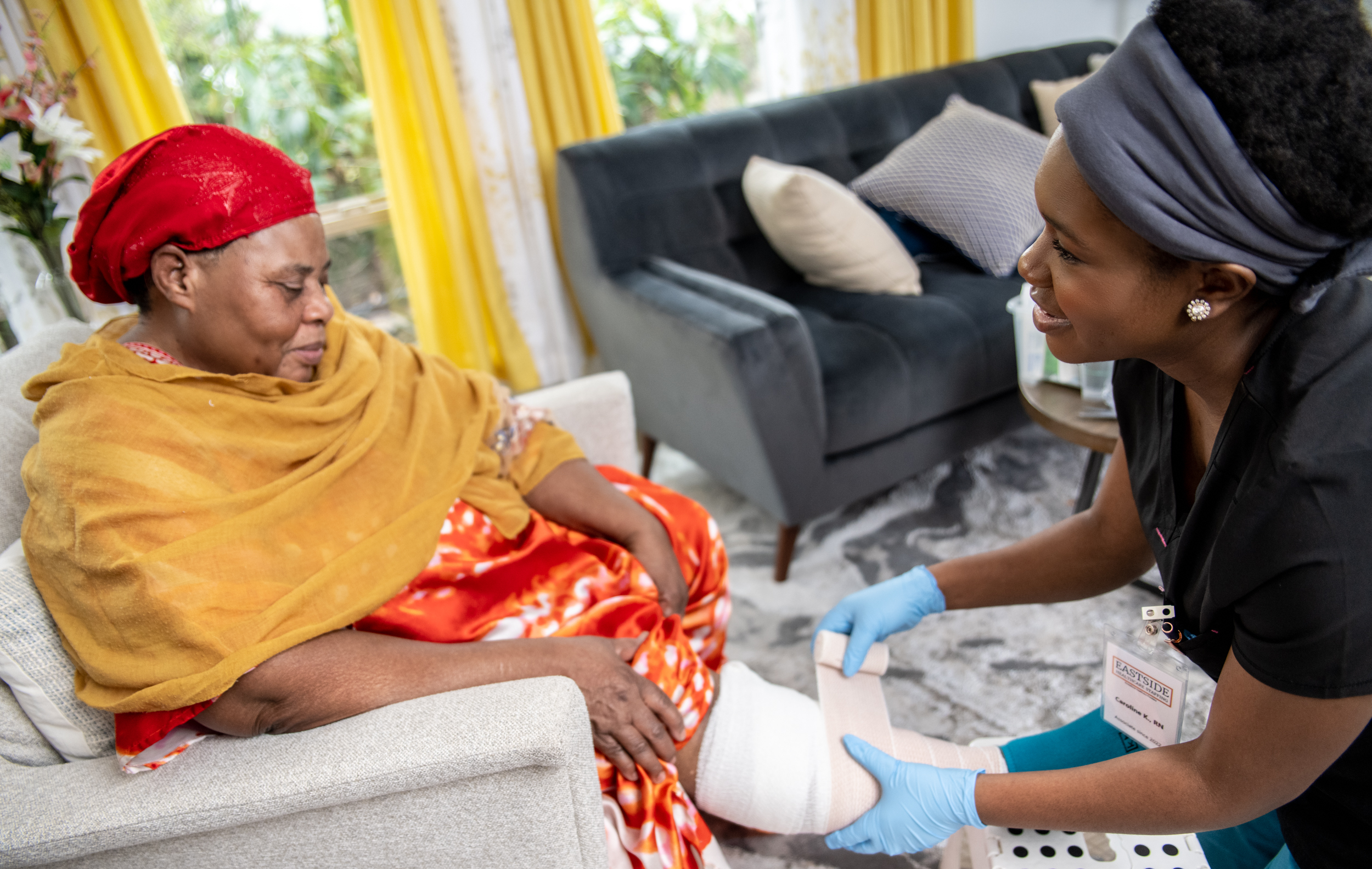
Home Setting
Enteral Feeding & TPN Support
Comprehensive nutrition support from trained staff in our specialized adult family home
Our enteral feeding and TPN capabilities include:
- Proper tube feeding and TPN administration following prescribed schedules
- Tube site care and maintenance to prevent infection
- Monitoring for complications including aspiration and displacement
- Coordination with dietitians for formula and schedule optimization
- Weight and tolerance monitoring with regular reporting
- Emergency response protocols for tube-related issues
Our nursing staff provides medical oversight while our caregivers deliver hands-on support with dignity and compassion. The small 6-bed setting ensures consistent caregivers who know each resident's unique needs.
Personalized Attention
for Complex Needs
The National Institute on Aging suggests that smaller care settings often lead to better resident satisfaction. For enteral feeding, this personalized attention matters even more.
Specialized Training
Our staff receives specific training in enteral feeding, going beyond basic certification to ensure competent, confident care.
Consistent Caregivers
With only 6 residents, your loved one is cared for by staff who know their specific needs, preferences, and routines.
Nursing Oversight
Licensed nurses (RN/LPN) provide medical supervision, medication management, and coordination with physicians.
Home Environment
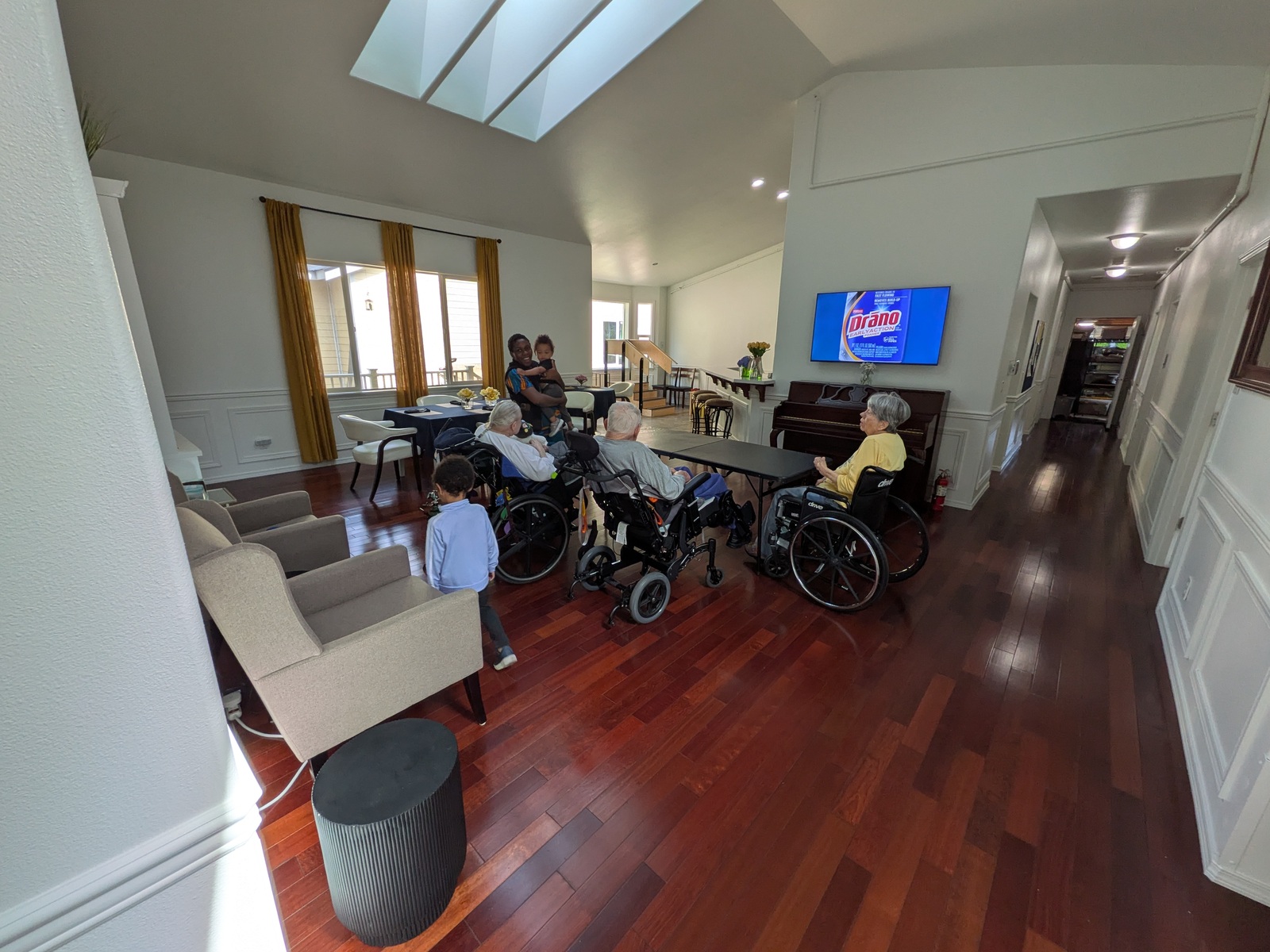
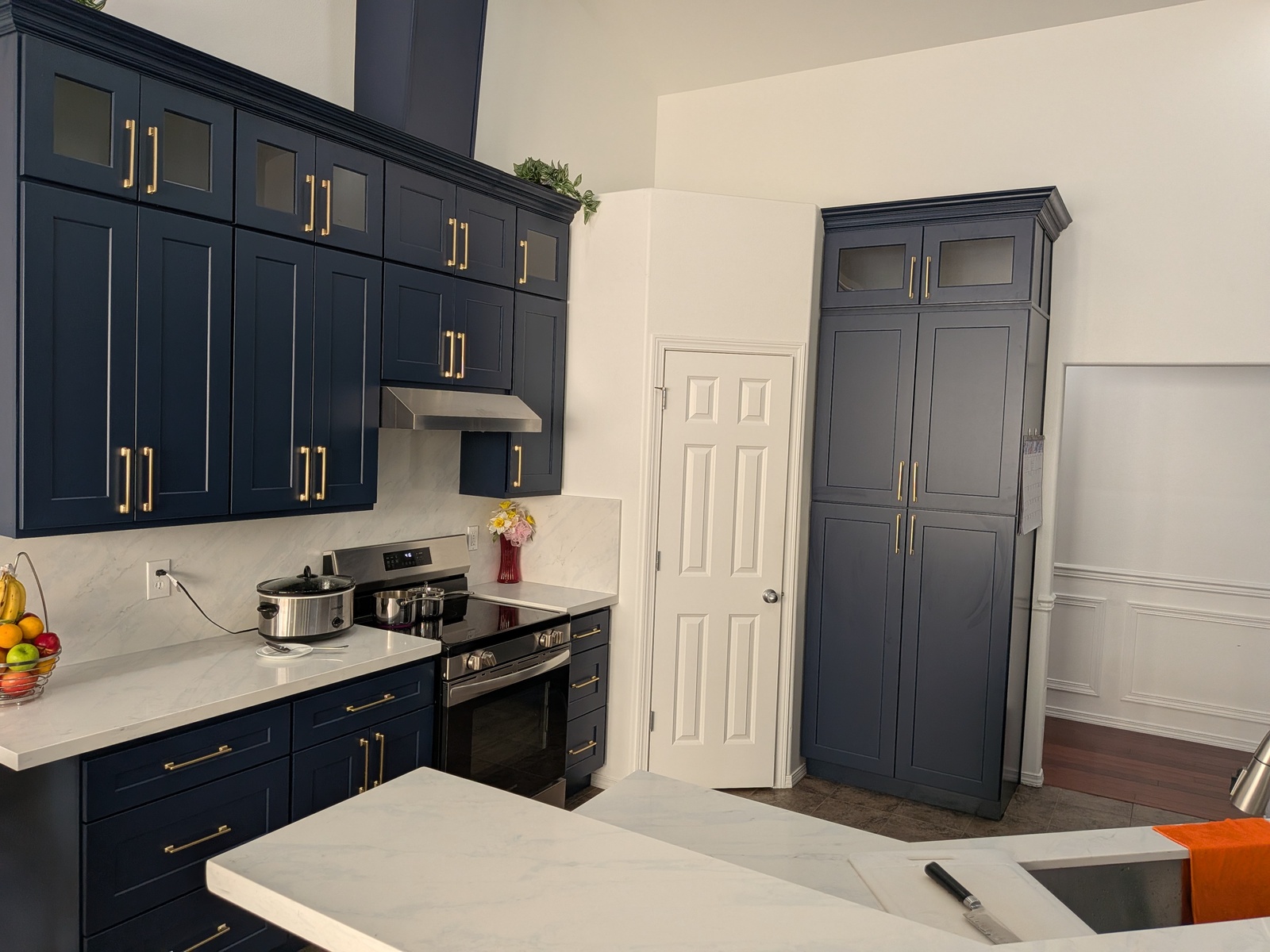
Real home setting with home-cooked meals, comfortable spaces, and the dignity of living in a house, not a facility.
Enteral Feeding Throughout the Region
We serve families from communities throughout South Snohomish County and North King County
Tube Feeding and TPN: The Details That Keep It Safe
Nutrition delivered through a tube is a medical treatment that runs several times a day, and the margin for error lives in the small steps: how the head of the bed is positioned, how much water goes through the tube afterward, whether the formula is at room temperature, whether the stoma site was actually looked at today. Get those right and a resident thrives on a regimen they barely notice. Get them wrong and the result is aspiration, a clogged tube, or an infection that sends someone back to the hospital.
A G-tube and a J-tube are not interchangeable
A gastrostomy tube delivers formula into the stomach, which is the more natural route and allows a larger volume at once because the stomach can hold and regulate it. A jejunostomy tube empties into the small intestine, bypassing the stomach, and is used when the stomach does not empty properly, when reflux is severe, or after certain surgeries. Jejunal feeding must be slower and more continuous because the intestine tolerates volume poorly, and it carries a different risk profile. Knowing which tube your loved one has, and why, determines almost every other decision about the feeding plan.
Pump feeding versus bolus feeding
A pump delivers formula at a steady rate over hours, which is gentler and usually better tolerated when the resident is fed into the small intestine or has a history of aspiration. Bolus feeding delivers a set volume over fifteen to thirty minutes, more closely mimicking a meal, and gives a mobile resident freedom between feeds. Gravity sets, syringes, and pumps all have their place, and the right choice depends on tolerance, blood sugar response, and how the resident spends the day. Feeding someone through a tube while they lie flat in bed is never correct.
Flushes, clogs, and stoma care
Every tube needs water before and after formula, after medications, and on a schedule of its own, because a tube that is not flushed is a tube that will clog. Medications given through a tube must be liquid or finely crushed and dissolved, never mixed into formula, and each should be flushed separately so they do not interact inside the tubing. At the stoma, staff check daily for redness, tenderness, leakage, or granulation tissue, clean gently with the prescribed method, and secure the tube as ordered so it does not migrate. A tube that has been pulled partly out should be held in place and reported, not pushed back in.
Aspiration is the complication that matters most
Formula in the lungs causes a pneumonia that is difficult to treat, and it is the reason so many protocols exist. Staff keep the head of the bed elevated during feeding and for a period afterward, check residual volume when ordered, watch for coughing, gagging, or a wet voice during feeds, and stop the feeding and call a nurse if any of that appears. Oral care reduces the bacteria available to be aspirated, so mouth cleaning continues even for residents who take nothing by mouth. The American Society for Parenteral and Enteral Nutrition publishes the clinical guidance these practices come from.
TPN, and confirming a home is licensed for it
Total parenteral nutrition bypasses the gut entirely and goes into a central line, which means the formula, the pump, and the catheter all have to be managed aseptically. Bags are hung on a schedule, tubing is changed on a schedule, and the site is assessed every shift for signs of a bloodstream infection: fever, chills, redness, or drainage. Blood sugar is monitored closely because intravenous dextrose pushes glucose higher and faster than enteral formula does. Anyone caring for a resident on TPN should be able to describe what happens if the infusion stops unexpectedly or runs out at night. Because Washington licenses adult family homes through the Department of Social and Health Services, you can also ask directly whether a home's license covers the level of care your loved one needs.
Enteral Feeding FAQs
What types of feeding tubes and nutrition support does Edmonds Villa provide?
We support patients with gastrostomy tubes (G-tubes), jejunostomy tubes (J-tubes), PEG tubes, and Total Parenteral Nutrition (TPN). Our staff is trained in proper administration techniques, tube care, TPN management, and monitoring for complications.
How does Edmonds Villa manage tube feeding and TPN schedules?
We follow physician-prescribed feeding schedules precisely, whether continuous or bolus feeding, or TPN administration. Our staff monitors tolerance, adjusts positioning, and communicates any concerns to the healthcare team.
What training do caregivers have for tube feeding and TPN?
Our caregivers receive specialized training in tube feeding administration, TPN management, tube site care, recognizing complications like aspiration risk or tube displacement, and emergency procedures.
Can residents with feeding tubes or TPN also eat by mouth?
This depends on individual care plans. Some residents receive supplemental tube feeding or TPN while also eating orally. We follow speech therapy and physician recommendations for each resident.
How does Edmonds Villa coordinate with dietitians for nutrition support?
We work closely with registered dietitians to ensure appropriate formulas, volumes, and schedules for both enteral feeding and TPN. We monitor weight, tolerance, and nutritional status, reporting to the care team regularly.
Discuss Tube Feeding & TPN Needs
Every situation is unique. Contact us to discuss your loved one's specific needs and learn how Edmonds Villa can help.