Neurological Disorders
at Edmonds Villa
Comprehensive support for Parkinson's disease, ALS, MS, and traumatic brain injuries. Our 6-bed adult family home provides personalized attention in a comfortable, homelike environment.
Parkinson's Disease, and the Home That Can Care for It
Sandra, RN, owner and operator of Edmonds Villa, on what Parkinson's disease actually is, and what a home has to do to care for someone living with it.
Expert Neurological Care
in a Home Setting
Neurological conditions like Parkinson's disease, ALS, MS, and traumatic brain injuries present unique care challenges. The National Institute of Neurological Disorders and Stroke emphasizes the importance of specialized, coordinated care for these complex conditions.
At Edmonds Villa, we've developed specialized capabilities in neurological disorders. Our trained staff, proper equipment, and intimate setting allow us to provide the care that many facilities cannot accommodate.
Finding appropriate care for complex medical needs can be challenging. Many assisted living facilities lack the training and protocols needed. Edmonds Villa fills this gap with specialized care in a true home environment.
Discuss Your Needs →
Home Setting
Neurological Disorders Support
Comprehensive care from trained staff in our specialized adult family home
Our neurological disorders capabilities include:
- Precise medication timing critical for conditions like Parkinson's
- Mobility assistance and fall prevention strategies
- Communication support for those with speech difficulties
- Coordination with neurology teams and therapists
- Adaptation of care as conditions progress
- Respiratory and nutrition support when needed
Our nursing staff provides medical oversight while our caregivers deliver hands-on support with dignity and compassion. The small 6-bed setting ensures consistent caregivers who know each resident's unique needs.
Personalized Attention
for Complex Needs
The National Institute on Aging suggests that smaller care settings often lead to better resident satisfaction. For neurological disorders, this personalized attention matters even more.
Specialized Training
Our staff receives specific training in neurological disorders, going beyond basic certification to ensure competent, confident care.
Consistent Caregivers
With only 6 residents, your loved one is cared for by staff who know their specific needs, preferences, and routines.
Nursing Oversight
Licensed nurses (RN/LPN) provide medical supervision, medication management, and coordination with physicians.
Home Environment
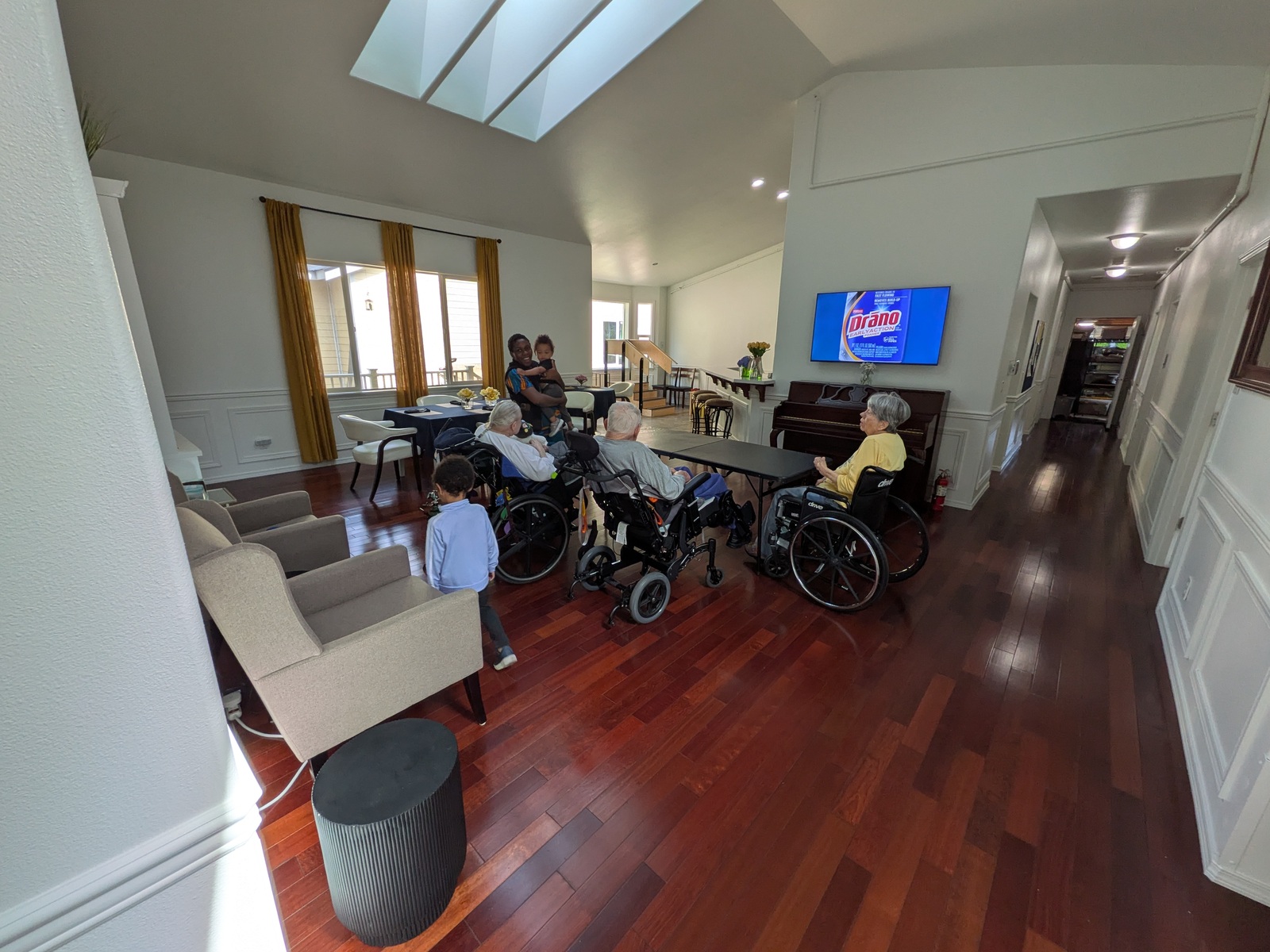
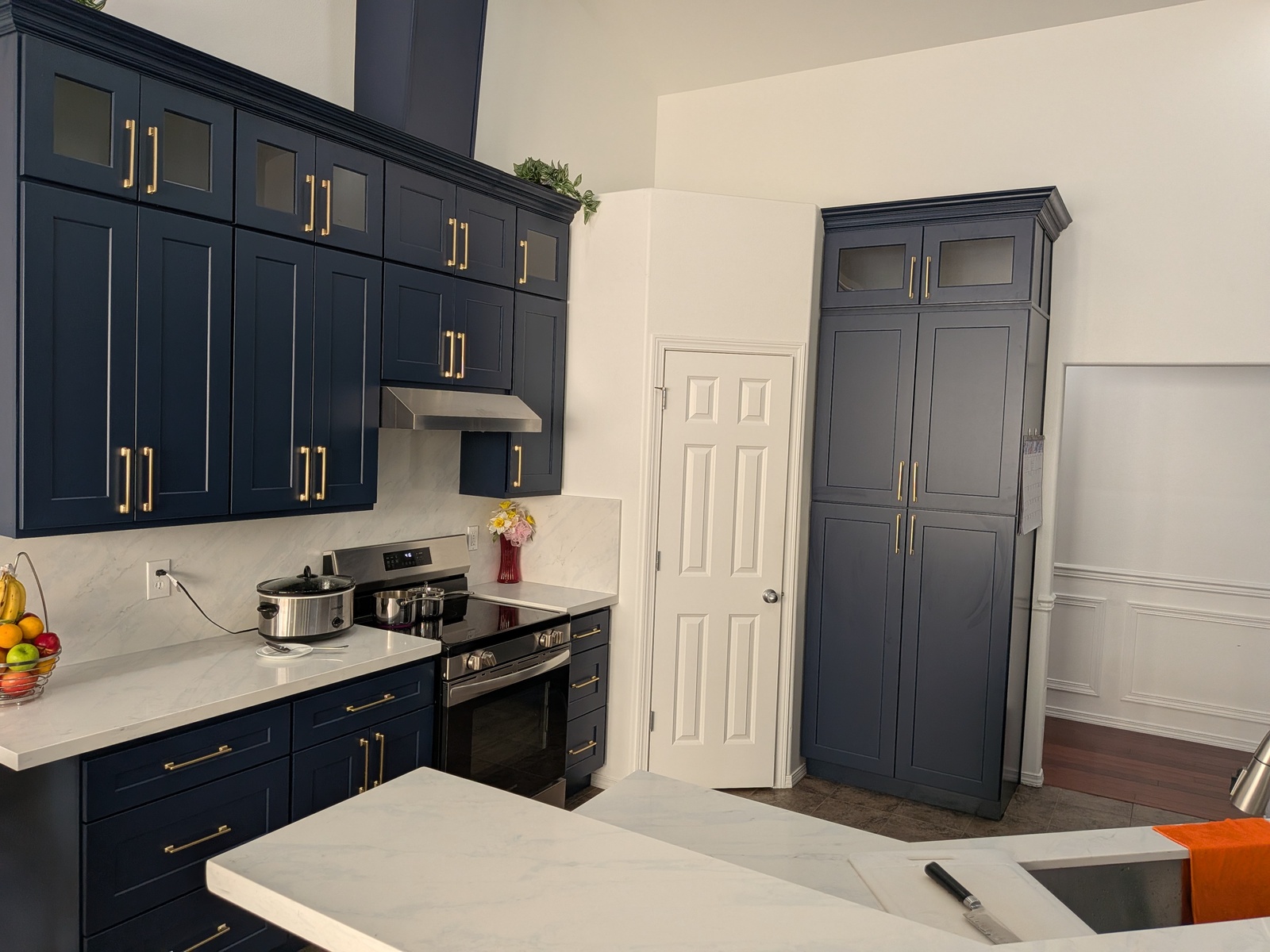
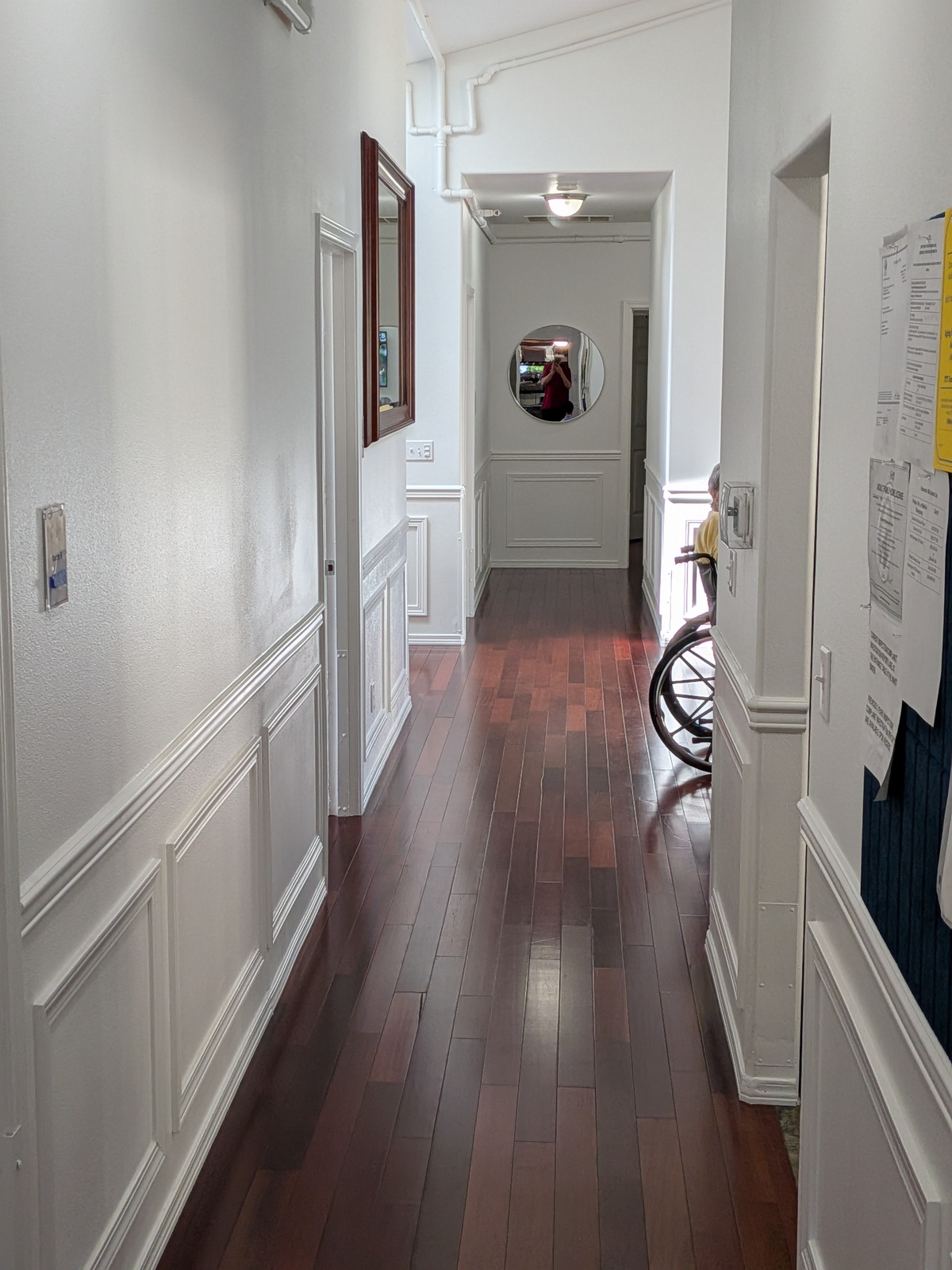
Real home setting with home-cooked meals, comfortable spaces, and the dignity of living in a house, not a facility.
Neurological Disorders Throughout the Region
We serve families from communities throughout South Snohomish County and North King County
Care That Adapts as a Neurological Condition Changes
Neurological conditions are moving targets. Multiple sclerosis can be stable for months and then take a step down. ALS tends to remove function in a fairly predictable order. A traumatic brain injury may improve for a year and then plateau. Parkinson's changes hour by hour depending on medication timing. A care plan written once and filed away is useless here. The home has to notice a change and rebuild the plan around it.
Parkinson's medication runs on the clock, not the shift
Levodopa doses are typically due at fixed intervals, and being an hour late can mean a resident who cannot walk to the bathroom or swallow a pill. This is one of the few situations in long-term care where "we got to it when we could" is not acceptable, because the window between a dose and the return of symptoms is narrow and predictable. Staff also learn to tell the difference between a tremor that is merely bothersome and the off periods that freeze a resident mid-step, and they time meals and protein around the medication when a neurologist or dietitian advises it. The Parkinson's Foundation has clear guidance on why dose timing matters so much.
Seizure precautions that fit a home
A seizure action plan is the starting point: what this resident's seizures look like, how long they usually last, what rescue medication is prescribed, and how many minutes pass before someone calls 911. Staff keep the area around the bed clear of hard edges, avoid pillows that could obstruct breathing during a seizure, and never restrain a seizing person or put anything in their mouth. Afterward the resident is positioned on their side, allowed to rest, and monitored, with the event documented in detail because patterns in timing and duration guide medication changes. Water safety matters too, and showers are supervised for anyone whose seizures are not controlled.
Swallowing changes before choking does
Dysphagia in a progressive neurological disease usually announces itself quietly: a cough after drinking, a wet or gurgly voice, food that collects in the cheek, meals that take far longer than they used to. A speech-language pathologist assesses and recommends textures and liquid thicknesses, and those recommendations have to be followed exactly rather than relaxed when a resident complains about them. Staff sit residents upright, keep them upright for a while after eating, offer small bites, and cut down on distractions during meals. Oral care after every meal reduces the bacteria that aspiration pneumonia depends on. For swallowing changes tied to dementia, the Alzheimer's Association offers practical guidance families can use at the table.
Contractures, spasticity, and daily movement
When muscles are no longer used voluntarily, they shorten, and a joint that loses its range becomes painful and hard to bring back. Daily stretching, careful positioning with wedges and splints, standing frames or tilt tables when they are safe, and passive range of motion performed by trained staff all slow that process. Spasticity is managed in coordination with a physician or therapist, sometimes with medication and sometimes with injections, and the home's job is to carry out the resulting plan consistently and report when muscle tone changes. Hands, ankles, and hips are usually the joints that tighten first.
Behavior is communication
Impulsivity after a brain injury, apathy in Parkinson's, emotional lability in ALS, and agitation in dementia all have causes worth looking for before they have responses worth applying. Pain, constipation, a urinary tract infection, hunger, and overstimulation are common triggers, and a behavior log that records what happened just before an episode often reveals the pattern. Staff aim for routine, calm redirection, simple choices rather than open-ended questions, and enough time for a resident to answer. When you visit, watch how caregivers speak to residents who cannot reply quickly. That tells you more than any policy manual will.
Neurological Disorders FAQs
What neurological conditions does Edmonds Villa care for?
We provide specialized care for Parkinson's disease, ALS (Lou Gehrig's disease), multiple sclerosis (MS), traumatic brain injuries (TBI), stroke recovery, and other neurological conditions requiring ongoing support.
How does Edmonds Villa support Parkinson's patients?
We understand medication timing is critical for Parkinson's patients. Our staff ensures precise medication schedules, assists with mobility and fall prevention, and adapts care as the condition progresses.
Can Edmonds Villa care for ALS patients?
Yes. We support ALS patients through disease progression, including mobility assistance, communication support, respiratory care coordination, and nutrition management including tube feeding when needed.
What training do caregivers have for neurological conditions?
Our staff receives training in the specific needs of neurological patients, including mobility assistance techniques, medication management, communication strategies, and recognizing signs of condition changes.
Does Edmonds Villa coordinate with neurologists?
Yes. We maintain communication with each resident's neurology team, providing updates on condition status, medication effectiveness, and any concerns. We coordinate appointments and therapy services.
Discuss Neurological Care Needs
Every situation is unique. Contact us to discuss your loved one's specific needs and learn how Edmonds Villa can help.