Cardiovascular & Pulmonary Care
at Edmonds Villa
Management of chronic heart conditions, stroke recovery, COPD, and other cardiopulmonary issues. Our 6-bed adult family home provides personalized attention in a comfortable, homelike environment.
Expert Heart & Lung Care
in a Home Setting
According to the American Heart Association, cardiovascular disease remains the leading cause of death in America, while the American Lung Association reports millions live with chronic respiratory conditions. These conditions require careful monitoring and management.
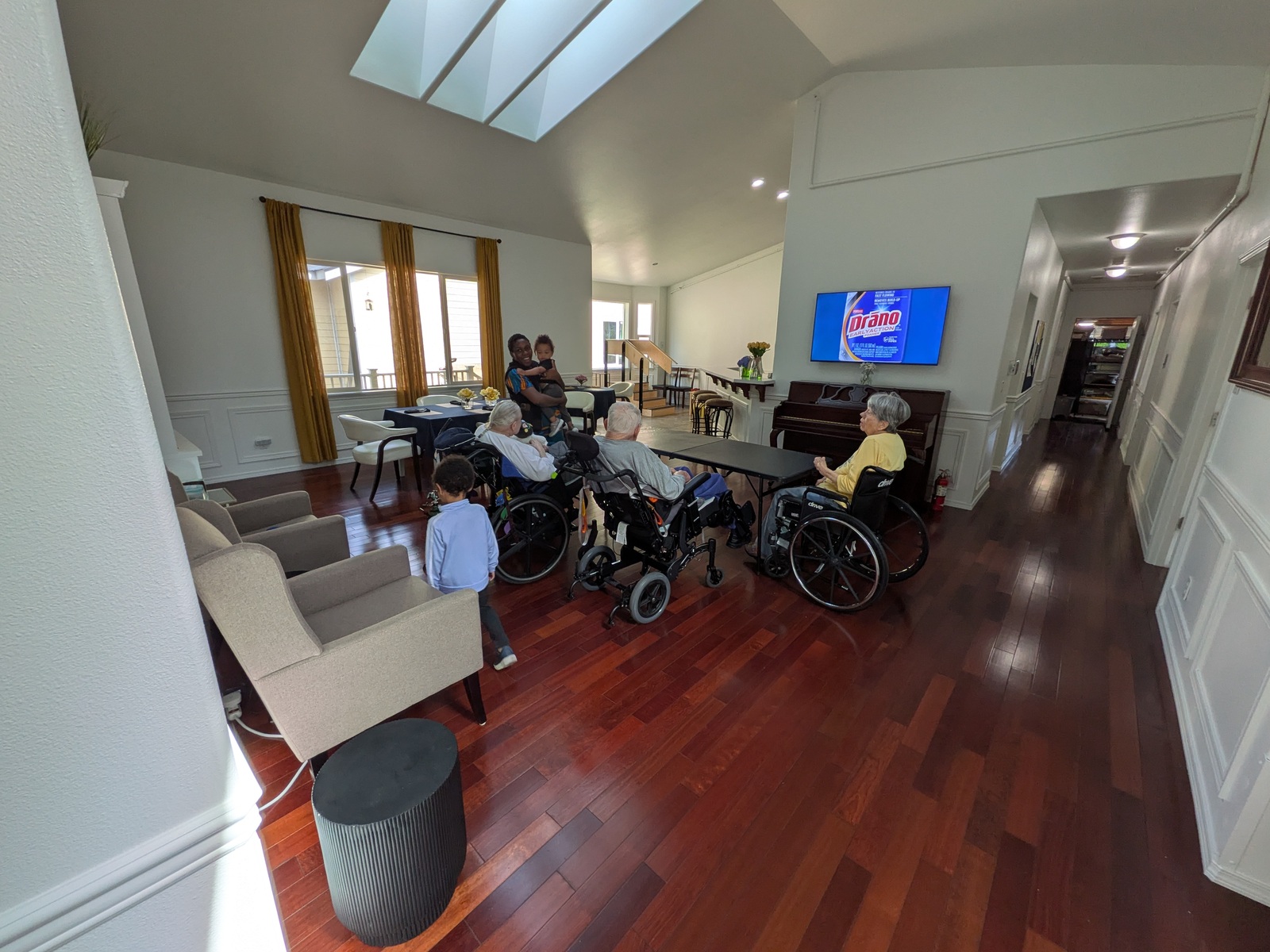
At Edmonds Villa, we've developed specialized capabilities in cardiovascular & pulmonary care. Our trained staff, proper equipment, and intimate setting allow us to provide the care that many facilities cannot accommodate.
Finding appropriate care for complex medical needs can be challenging. Many assisted living facilities lack the training and protocols needed. Edmonds Villa fills this gap with specialized care in a true home environment.
Discuss Your Needs →
Home Setting
Cardiovascular & Pulmonary Care Support
Comprehensive care from trained staff in our specialized adult family home
Our cardiovascular & pulmonary care capabilities include:
- Continuous vital signs monitoring including blood pressure and oxygen
- Medication management for cardiac and pulmonary conditions
- Fluid and weight monitoring for heart failure patients
- Oxygen therapy support and respiratory treatments
- Coordination with cardiology and pulmonology teams
- Emergency response protocols and training
Our nursing staff provides medical oversight while our caregivers deliver hands-on support with dignity and compassion. The small 6-bed setting ensures consistent caregivers who know each resident's unique needs.
Personalized Attention
for Complex Needs
The National Institute on Aging suggests that smaller care settings often lead to better resident satisfaction. For cardiovascular & pulmonary care, this personalized attention matters even more.
Specialized Training
Our staff receives specific training in cardiovascular & pulmonary care, going beyond basic certification to ensure competent, confident care.
Consistent Caregivers
With only 6 residents, your loved one is cared for by staff who know their specific needs, preferences, and routines.
Nursing Oversight
Licensed nurses (RN/LPN) provide medical supervision, medication management, and coordination with physicians.
Home Environment
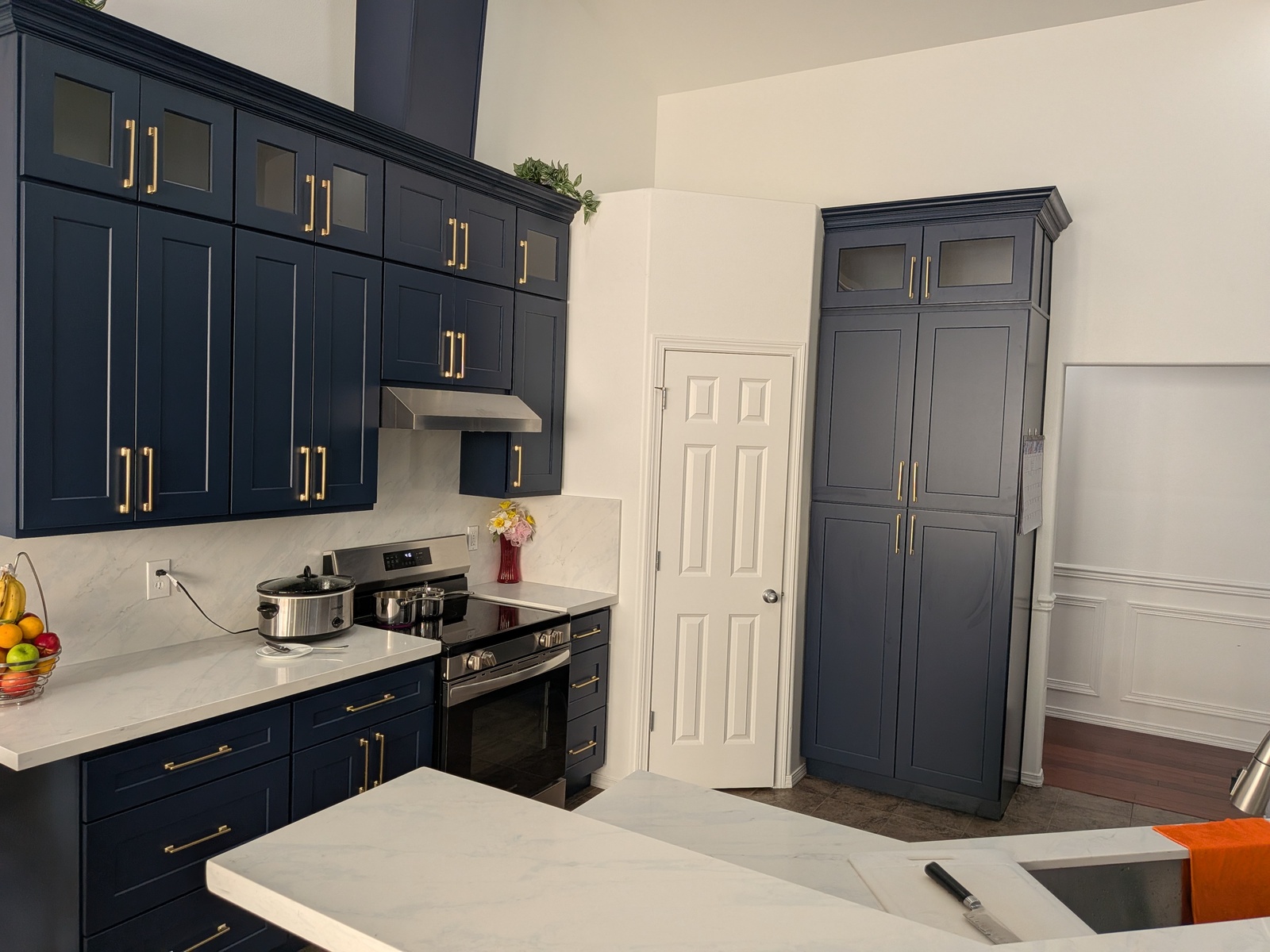
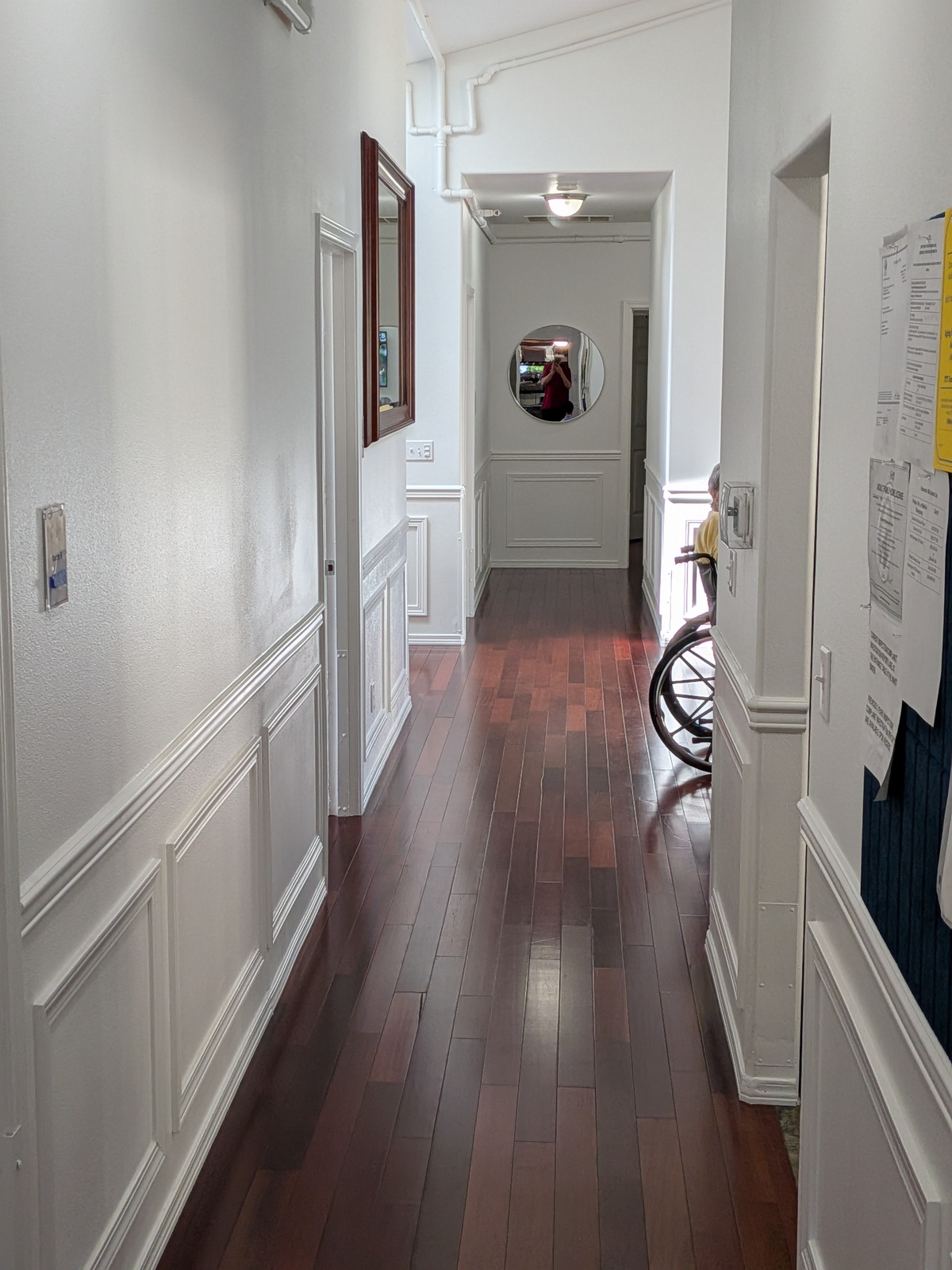
Real home setting with home-cooked meals, comfortable spaces, and the dignity of living in a house, not a facility.
Cardiovascular & Pulmonary Care Throughout the Region
We serve families from communities throughout South Snohomish County and North King County
Living With Heart and Lung Disease in a Small Care Home
Heart failure and chronic lung disease are managed in inches and ounces, not in dramatic moments. A resident can look comfortable at breakfast and be three pounds heavier by evening, and that shift is often the earliest signal that a medication needs adjusting. In a six-bed home the same caregivers see the same people every day, which makes those small changes visible in a way they frequently are not on a rotating hospital unit.
Daily weights and the fluid nobody sees
A standing weight taken at the same time each morning, after voiding, in similar clothing, on the same scale, is the single most useful number in heart failure care. A gain of two to three pounds in a day, or five pounds in a week, usually means fluid is accumulating before ankles swell or breathing changes. Staff also track edema by pressing a thumb over the shin bone, measure abdominal girth when ascites is a concern, and count how many pillows your loved one needs to sleep. Those observations go to the physician or nurse practitioner so diuretics can be adjusted before a crisis.
Oxygen, CPAP, and BiPAP in a residential setting
Concentrators, portable tanks, and bi-level machines become ordinary equipment in a home once staff are trained on them. What matters is the detail: checking saturation with a pulse oximeter at rest and during activity, keeping tubing from becoming a trip hazard, humidifying flow so nasal passages do not dry and bleed, and knowing which residents must never have a flow rate changed without an order. For someone with both sleep apnea and heart failure, consistent CPAP use at night is part of the cardiac plan rather than a comfort measure, and a resident who pulls the mask off at 3 a.m. needs a documented response, not a shrug.
Pacing activity when the heart or lungs are the limit
Rehabilitation for cardiac and pulmonary residents is a matter of dose. Too little activity deconditions a person quickly; too much triggers a flare that costs a week. A practical approach is short, frequent bouts with rest built in: a walk to the kitchen before breakfast, seated arm exercises mid-morning, a chair-based routine in the afternoon, with saturation and perceived effort checked along the way. Pursed-lip breathing and a planned recovery position help a resident who becomes breathless, and cool, humidified air makes exertion easier in cold weather. The American Lung Association publishes breathing techniques and flare-up action plans families can use at home.
Anticoagulation and INR coordination
Residents on warfarin need blood draws on a schedule, results communicated to the prescribing clinic, and dosing that follows those results rather than habit. Staff must know which foods and which new medications shift an INR, and must be alert to bruising, bleeding gums, dark urine, or a stool that turns black. Direct oral anticoagulants skip the blood draws but not the vigilance, since a missed or duplicated dose is the common error, which is why administration is observed and documented rather than left to the resident. A bump to the head on an anticoagulant deserves an urgent call even when the person feels fine.
What families should watch for
The signs that should prompt a call rather than a wait are consistent: weight gain that does not reverse, new shortness of breath when lying flat, swelling that climbs up the legs, a cough that turns pink or frothy, confusion that appears suddenly, or a saturation reading that stays low after rest. Ask any home how they record these numbers and who reviews them. A binder of daily weights and oxygen readings, reviewed by a nurse and shared with the physician, is the difference between managing a chronic condition and reacting to one emergency after another. The American Heart Association is a reliable source for understanding the conditions behind those numbers.
Cardiovascular & Pulmonary Care FAQs
What heart conditions does Edmonds Villa manage?
We care for residents with congestive heart failure (CHF), coronary artery disease, arrhythmias, post-cardiac surgery recovery, and other cardiovascular conditions requiring ongoing monitoring and management.
How does Edmonds Villa support COPD patients?
We provide respiratory condition management including oxygen therapy support, medication administration, monitoring for exacerbations, and coordination with pulmonology teams. We help residents maintain optimal respiratory function.
What monitoring is available for heart patients?
Our nursing staff monitors vital signs including blood pressure, heart rate, oxygen saturation, and weight. We watch for signs of fluid retention, medication side effects, and condition changes requiring medical attention.
Does Edmonds Villa provide stroke recovery support?
Yes. We support stroke survivors with mobility assistance, medication management, therapy coordination, and activities to support cognitive and physical recovery in collaboration with rehabilitation teams.
How does Edmonds Villa handle cardiac emergencies?
Our staff is trained in recognizing cardiac emergencies and responding appropriately. We have emergency protocols, maintain communication with cardiologists, and coordinate with emergency services when needed.
Discuss Heart & Lung Care Needs
Every situation is unique. Contact us to discuss your loved one's specific needs and learn how Edmonds Villa can help.