When families search for an adult family home, they rarely start with a clear plan. They start with a problem: a parent who can no longer be safely left alone, a spouse whose condition has outpaced what one person can manage at home, a hospitalization that has made "going back to how things were" impossible. The default options feel like a forced choice between two things that don't quite fit: a nursing home that feels clinical and impersonal, or staying home without enough support.
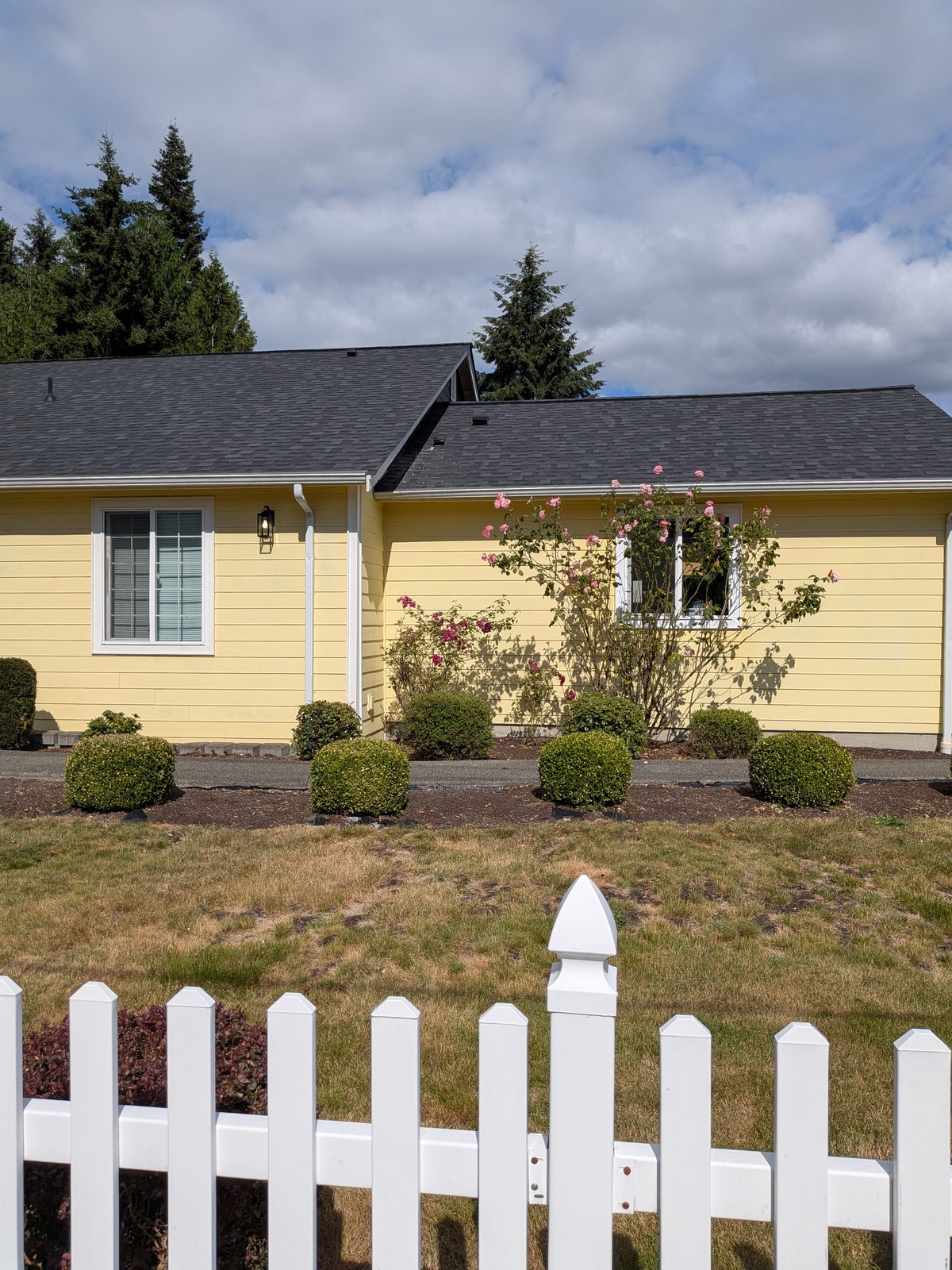
What many families don't discover until they're deep in the search is that a third model exists. A licensed residential care home — legally called an adult family home in Washington State — is a small single-family house in an ordinary neighborhood where a limited number of adults receive personalized daily care, meals, supervision, and medical support in an actual home setting. It's not a facility. It's not a wing of a larger building. It's a house on a street, with bedrooms and a shared kitchen and caregivers who know every resident's name, preferences, and daily rhythms.
Not all homes operating under this model are equal. Some, like Edmonds Villa in Edmonds, Washington, provide a level of clinical sophistication that surprises families expecting basic custodial care. The difference matters enormously when a loved one has complex medical needs. This article walks through what these homes are, how they're regulated in Washington State, who benefits from this model, how to evaluate quality before committing, and what families can realistically expect to pay.
What an Adult Family Home Actually Is (and Isn't)
What happens inside a licensed residential care home
Picture a regular three- or four-bedroom house on a residential street. Inside, a small group of residents share common spaces, eat home-cooked meals at a table, and receive consistent help from a care team present around the clock. Standard services include room and board, laundry, assistance with bathing and dressing, medication support, and 24-hour supervision — all defined by DSHS under Washington's adult family home licensing framework. The caregivers working there are not rotating through a wing of forty rooms; they are looking after a handful of people they genuinely know.
The defining feature of this model isn't small size alone. It's the relationship that small size makes possible. At a scale of six residents, caregivers notice subtle changes in appetite, energy, or mood that would go undetected in a larger facility. They know which resident sleeps better with the hallway light on and which one needs more time to wake up before morning care. That kind of attention is a structural feature of the model, not simply a matter of staff effort or good intentions.
How capacity rules shape the care experience
In Washington State, the standard capacity for a licensed adult family home is six residents. A small number of homes hold an enhanced license that permits up to eight residents, but the requirements are strict: at least 24 months of active licensure, 12 months of operating at six residents, zero enforcement actions on the last two full inspections, a residential sprinkler system, and documented financial stability. As of late 2024, fewer than 200 of Washington's roughly 5,000 licensed homes held a seven- or eight-bed license.
The six-resident ceiling isn't arbitrary. It's the number at which genuine individualization remains operationally realistic. Each resident has a negotiated care plan developed at admission and updated when their condition changes. Schedules are built around the person, not the facility's administrative convenience. Small homes typically provide a level of direct caregiver attention that large assisted living buildings, by structural necessity, cannot match at scale.
Where this model sits in the care continuum
A licensed residential care home provides more hands-on support than independent living or standard assisted living, and far less institutional structure than a skilled nursing facility. The population it serves is adults who need consistent daily assistance but are not in acute medical crisis requiring hospital-level intervention. Most adult family homes are licensed for personal care, medication assistance, and intermittent nursing support — which Washington State defines as up to seven hours of nursing care per week. A smaller group of homes are licensed for high-acuity care with RN ownership or supervision, which blurs this boundary in ways that benefit families navigating complex medical situations.
How Washington State Licenses and Regulates These Homes
The role of DSHS and what licensure actually requires
Washington State licenses adult family homes through the Department of Social and Health Services, specifically the Residential Care Services division, under RCW 70.128. Every licensed provider must complete 75 hours of basic long-term care training plus a 48-hour AFH Administrator course before accepting any residents. They must also pass the Home Care Aide certification exam, clear state and federal background checks, and carry liability insurance. These are legal requirements, not suggested best practices.
The annual licensing fee in Washington is $450 per bed, doubled from $225 effective July 2025 per the DSHS fee schedule. Providers who fail to pay face a stop-placement order, which blocks new admissions until the account is current.
What DSHS inspectors actually look at
Routine inspections occur approximately every 15 months and are unannounced. Inspectors review resident care plans, medication records, staffing documentation, emergency preparedness, building safety, and resident dignity. They can issue deficiency citations, require corrective action plans, impose fines, or in serious cases, revoke a license entirely. Homes with three consecutive clean inspections may qualify for an extended 24-month inspection cycle.
Inspection reports are publicly accessible through the DSHS Residential Care Facility Search tool. Before touring any licensed adult family home, pull up the last two inspection reports and review them carefully. A home with a pattern of cited deficiencies and incomplete corrective actions is telling you something important about its culture of accountability.
How to confirm a home is legally licensed
Verification is straightforward. Use the DSHS facility search database to confirm active license status, note the license number, and cross-reference the provider name. If a home cannot immediately produce a current DSHS license number, it is not legally permitted to provide personal care to unrelated adults in Washington State. That is not a technicality; it is a safety issue.
Who Benefits Most from a Small Residential Care Setting
The populations this model is designed to serve
Seniors with dementia or cognitive decline frequently do best in smaller, quieter environments where the faces are familiar and the routine is consistent. Adults with mobility limitations who need transfer assistance benefit from caregivers who have learned their specific physical needs through repetition. Individuals with developmental disabilities or mental health conditions requiring close daily supervision often thrive when that supervision comes from a stable, known care team rather than a rotating staff of strangers.
The emotional benefit of small-scale care is well-documented in residential care research. Less sensory overstimulation. Fewer unfamiliar faces. Daily routines that can be adjusted to match an individual's preferences rather than fixed to a facility-wide schedule. For residents with anxiety, cognitive changes, or a strong need for predictability, these details aren't minor comforts — they are part of the therapeutic environment.
When someone needs more than a standard care home can offer
Certain conditions create needs that push against the limits of what a standard adult family home can safely manage. Progressive neurological diseases like Parkinson's or ALS, dialysis dependency, tube feeding via G-tube or J-tube, bariatric care requiring specialized transfer equipment, and complex medication regimens that require consistent nursing oversight all represent care needs that many small homes are not equipped to meet.
When a resident's condition reaches that level of medical complexity, families are often told the only options are skilled nursing facilities. That's not entirely accurate. A small number of Washington State homes operate at a significantly higher clinical level, coordinating licensed nursing services for complex needs while preserving the residential feel that families prefer. They are the ones worth seeking out when a loved one's medical needs are serious but their preference is to live somewhere that feels like home.
When the Standard Model Isn't Enough: High-Acuity Care in a Residential Setting

What "high-acuity" means in practice
High-acuity care services in a residential home refers to the ongoing management of complex medical conditions requiring trained nursing oversight, specialized equipment, and detailed clinical protocols. It is not an upgrade from standard custodial care — it is a fundamentally different clinical model operating within a residential structure. In Washington State, this capability is made possible through nurse delegation protocols, on-site licensed nursing supervision, and administrator-level specialty training for specific condition categories.
How Edmonds Villa approaches clinically complex residents
Edmonds Villa is a DSHS-licensed, RN-owned and operated adult family home in Edmonds, Washington. The RN ownership structure is significant: clinical decisions at Edmonds Villa are made by someone with direct medical accountability, not delegated downward to administrative staff who may lack the clinical background to recognize when a care plan needs to change.
The capabilities Edmonds Villa offers go well beyond what most residential care homes can safely provide. These include:
- Parkinson's disease management with precise medication timing, "on-off" period monitoring, fall prevention protocols, and neurologist coordination
- Dialysis support coordinated through licensed nursing services, including assistance with peritoneal dialysis and home hemodialysis under appropriate clinical supervision
- G-tube and J-tube feeding management under nurse delegation or visiting nursing services, with proper nutrition protocols
- Bariatric transfer protocols with appropriate equipment
- Neurological care coordination for residents with ALS, MS, and traumatic brain injuries, in partnership with visiting clinicians
- Oncology symptom management and treatment support in coordination with the resident's medical team
Edmonds Villa also offers a spousal room and board option, allowing a well spouse to live in the home alongside a partner who requires high-acuity residential care. Couples who have built a life together and are not willing to live apart simply because one of them needs medical support will find this a meaningful consideration.
Why the six-resident limit matters at this level of clinical care
At Edmonds Villa, the six-resident maximum is a deliberate clinical decision, not a regulatory inconvenience. At that scale, every medication schedule is tracked precisely, every care plan reflects the actual person rather than a generic diagnosis category, and family communication is a genuine daily practice. When a resident has Parkinson's disease and their medication timing must be accurate to the minute, the direct caregiver attention a six-bed home provides is not a luxury; it is a clinical necessity.
Does your loved one need high-acuity care? Edmonds Villa specializes in complex medical conditions that most adult family homes cannot accommodate. Contact us to discuss whether we're the right fit for your family.
What to Look for When Evaluating a Licensed Care Home
Questions worth asking on every tour
The quality of a care home reveals itself through the specificity of answers to direct questions:
- Who holds the DSHS license and what is their clinical background?
- What is the caregiver-to-resident ratio during day shifts and overnight?
- How are care plans developed, who participates, and how often are they updated?
- What is the protocol if a resident's condition deteriorates significantly?
A provider who answers these questions directly and without defensiveness is demonstrating the kind of transparency that builds trust over time.
Pay attention to how staff interact with residents during your visit — not just how they present information to you. Watch whether caregivers address residents by name, whether the pace of the home feels calm or hurried, and whether the environment is clean and genuinely lived-in rather than staged for tours.
Red flags that should stop a decision in its tracks
A home that cannot produce a current DSHS license number immediately is not a home to consider further. Vague answers about staffing ratios during overnight hours suggest that coverage is inconsistent. A pattern of enforcement actions in the inspection history without documented corrective steps is a serious warning sign. High turnover among residents or staff signals instability in the care environment.
Perhaps most telling: a home that cannot clearly describe how it would handle a specific medical emergency related to your loved one's condition hasn't thought that scenario through.
What Residential Care in an Adult Family Home Typically Costs
What affects the monthly rate
In Washington State, adult family home costs typically range from $4,500 to $9,000 per month. Standard personal care homes with no specialized medical capabilities sit toward the lower end of that range. Homes with RN supervision, specialized equipment, trained staff for high-acuity conditions, and documented clinical protocols sit toward the higher end — and that cost difference reflects a genuine difference in what is being provided.
Payment options beyond private pay
Most families begin as private pay. Washington State's COPES Medicaid waiver can cover personal care services for qualifying residents, though it does not cover room and board costs. The Community First Choice (CFC) program offers similar personal care coverage without a waitlist for eligible individuals. Veterans and their spouses may qualify for the VA Aid and Attendance benefit, which can meaningfully offset monthly costs. Long-term care insurance, where it exists, often applies to adult family home placement directly.
Families should consult both a financial advisor and a benefits counselor before assuming any payment option is unavailable — the intersection of Medicaid eligibility, long-term care insurance policy language, and veterans' benefits is genuinely complex.
Frequently Asked Questions
What is an adult family home (AFH) in Washington State?
An adult family home is a licensed residential care home in a single-family house setting where up to six adults receive personalized daily care, meals, supervision, and medical support. It's not a facility — it's a real home in an ordinary neighborhood, regulated by DSHS under RCW 70.128.
How is an adult family home different from assisted living?
Adult family homes are limited to six residents and provide care in a residential house setting with consistent caregivers who know each resident personally. Assisted living facilities typically house 40–200+ residents in an apartment-style building with rotating staff. AFHs offer more individualized attention and a homelike environment.
Does Medicaid pay for adult family homes in Washington?
Yes. Washington State's COPES Medicaid waiver can cover personal care services for qualifying residents, though room and board costs are typically paid through monthly income. The Community First Choice (CFC) program also offers personal care coverage. Eligibility depends on financial and functional need.
What is high-acuity care in an adult family home?
High-acuity care refers to the ongoing management of complex medical conditions requiring trained nursing oversight, specialized equipment, and detailed clinical protocols. This includes dialysis support, tube feeding, Parkinson's care, bariatric care, and neurological condition management — services most standard AFHs cannot provide. Edmonds Villa is an RN-owned and operated high-acuity AFH.
How do I verify that an adult family home is properly licensed?
Use the DSHS Residential Care Facility Search tool online to confirm active license status. Request the home's license number and verify it directly with DSHS. If a home cannot immediately produce a current DSHS license number, it is not legally permitted to provide personal care to unrelated adults in Washington State.
What is the cost of an adult family home in Washington State?
Monthly costs typically range from $4,500 to $9,000 depending on care level, room type, and geographic location. Homes with RN supervision and high-acuity capabilities sit at the higher end. Payment options include private pay, COPES Medicaid waiver, VA Aid and Attendance benefits for veterans, and long-term care insurance.
Finding the Right Home Starts with Knowing What to Look For
A licensed adult family home offers something institutional care cannot replicate: personalized, attentive support in a real home, at a scale where every resident is known, not just housed. The care model is built around relationship and proximity in ways that simply cannot be engineered into a facility with 40 or 100 residents.
The steps are concrete even when the emotional weight of the search is not. Verify DSHS licensing before anything else. Pull up the last two inspection reports and read them. Ask hard questions on every tour and listen carefully to how they're answered. Match the home's actual capabilities — not its marketing language — to your loved one's specific medical needs.