When a family learns that a parent needs dialysis, the conversation rarely stays about kidneys for long. Within days it becomes about logistics: who will get her to treatment on time, who will watch the catheter site between sessions, who will keep the phosphate binders and the renal diet straight, and who will be there at 2 a.m. if something doesn't feel right. And then comes the question that can feel like a dead end — if she can't return home, does she have to go to a nursing home?
For many families, the answer is no. A dialysis adult family home — a licensed residential care home equipped to support peritoneal dialysis (PD) and home hemodialysis (HHD) under nursing coordination — can, for the right patient, offer a genuine alternative to skilled nursing. That comes with an important caveat: it isn't the right answer for every dialysis patient, and families deserve to understand both what these homes can do and what they can't. This guide walks through the clinical reality, the staffing and nurse delegation, the regulatory context, the safety protocols, and the costs, so you can compare both settings honestly.
At Edmonds Villa, a DSHS-licensed, RN-owned high-acuity adult family home in Edmonds, Washington, dialysis support is one of the specialized services the home was designed around. Before you accept a nursing home placement as the only path forward, it's worth understanding how this model works — and how to tell whether a particular home can genuinely support your loved one's treatment. For a closer look at the practical day-to-day needs, our guide to dialysis residential care for families is a good place to start.
Can an Adult Family Home Support Dialysis? The Short Answer
The short answer is yes — for many patients. An adult family home can adequately support a resident on peritoneal dialysis or home hemodialysis, provided the home has trained staff, nursing oversight, proper protocols, and a genuine commitment to the level of monitoring these treatments require. The honest caveat is equally important: not every licensed care home can do this, and the decision always depends on the individual patient's condition and treatment modality.
Washington State's adult family home model is built around a six-resident ceiling, which means care can be genuinely individualized. A home like Edmonds Villa pairs that small-scale attention with RN ownership and dialysis-specific capabilities. The distinction that matters most: the home does not perform dialysis. It supports it — coordinating treatment schedules, monitoring for complications, managing supplies, and communicating with the nephrology team while caregivers handle the daily personal care.
This is the key reframing for families. Peritoneal dialysis and home hemodialysis are designed to happen in residential settings rather than clinics. What patients need from a care home is reliable, trained support around the treatment — not a dialysis machine on-site. When a home provides that support under licensed nursing coordination, the nursing home is not automatically the safer or more appropriate choice. The next sections walk through exactly what that support looks like.
What Dialysis Support Actually Looks Like in a Residential Home

At a home genuinely equipped for it, dialysis support is a set of daily, documented routines rather than a single service. For residents on peritoneal dialysis — whether continuous ambulatory PD or automated PD on a cycler overnight — staff assist with exchange schedules, provide careful catheter site care to reduce infection risk, and are trained to recognize the early signs of peritonitis. For residents on home hemodialysis, the home helps maintain treatment schedules, monitors during sessions, and coordinates with the dialysis provider.
Around the treatment itself sits the rest of the care plan: renal-diet meals with appropriate limits on sodium, potassium, and phosphorus; medication management including phosphate binders and EPO; fluid and weight monitoring that feeds directly back to the nephrology team; and coordinated care for the conditions that so often travel with kidney failure — diabetes, heart disease, and high blood pressure.
Edmonds Villa's dialysis care services page lays out the specifics of treatment scheduling, complication monitoring, supply management, and nephrology coordination. The point for families comparing settings is that none of this requires a hospital wing. It requires training, protocols, consistency, and communication — all of which are possible in a six-resident home when the operator makes them a priority.
Staffing and Nurse Delegation: Who Does What
One of the most common worries families have is that a small home can't possibly have enough medical expertise. In practice, the staffing model is more layered than it first appears. Residents receive 24-hour care from a consistent team of caregivers, and that consistency is itself clinical value: caregivers who know a resident personally notice changes in appetite, energy, fluid retention, or mood that a rotating staff would miss.
Beneath the caregiving layer sits nurse delegation, the Washington State framework that allows a licensed nurse to transfer specific nursing tasks to trained caregivers. Under delegation, a nurse assesses the resident, trains the caregiver on the specific task, and periodically re-verifies competence. This is how medically meaningful tasks — including components of dialysis-related care — can be safely handled in a residential setting with proper oversight rather than requiring a nurse at every bedside at all times.
The ownership structure matters here. Edmonds Villa is RN-owned and operated, and that changes the accountability chain: clinical decisions are made by someone with direct medical training, and the administrator understands the dialysis care plan at a clinical level, not just an administrative one. For a broader comparison of how this staffing model stacks up against skilled nursing, our guide on adult family homes vs. nursing homes in Washington State goes deeper.
How Washington State Regulates Dialysis Support in an AFH
Washington State licenses adult family homes through DSHS under RCW 70.128. Providers must complete 75 hours of basic long-term care training and a 48-hour AFH administrator course, pass the Home Care Aide certification exam, clear background checks, and carry liability insurance before accepting a single resident. These are legal requirements, not marketing claims.
Routine inspections are unannounced and occur roughly every 15 months. Inspectors review care plans, medication records, staffing documentation, emergency preparedness, and resident dignity — and they will look closely at how a home documents a complex care plan like dialysis support. Inspection reports are public through the DSHS Residential Care Facility Search tool, and any family considering a home for a dialysis resident should review the last two reports before touring.
Regulation is also the source of the payment options that make this model accessible. The COPES Medicaid waiver can cover personal care services for qualifying residents, the Community First Choice (CFC) program offers similar coverage, and VA Aid and Attendance can offset costs for eligible veterans and their spouses. What all of this means for a family is simple: an adult family home isn't a workaround or a gray market. It's a licensed, inspected, regulated care setting with documented capability and public accountability.
Backup Power and Emergency Protocols: Safety in a Home
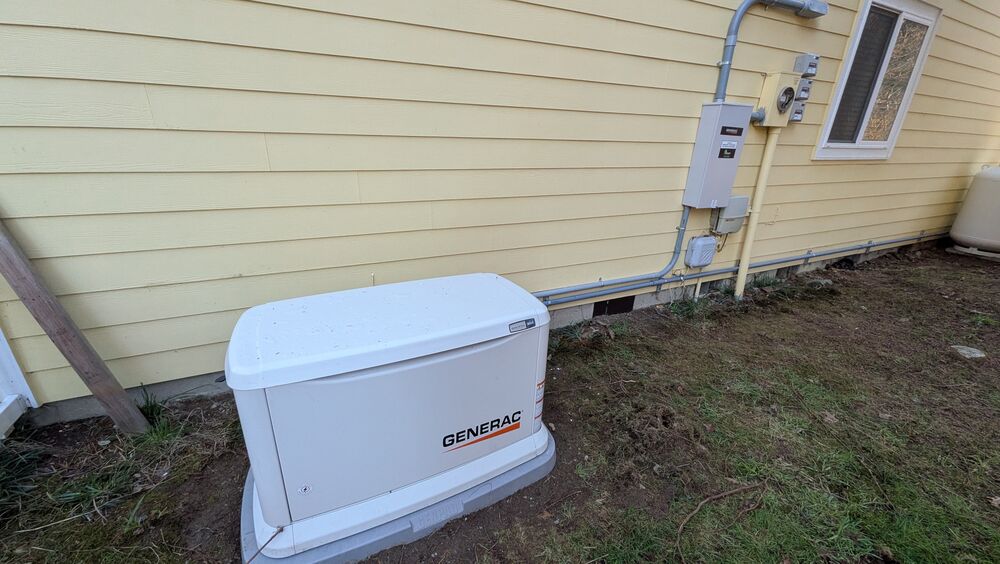
Home dialysis depends on electricity — cyclers, machines, and medication refrigeration don't pause during a storm. This is one area where families are right to be demanding. A home supporting dialysis needs backup power for essential medical equipment and a clear, rehearsed plan for what the care team does if the power goes out, if a treatment is interrupted, or if a resident's condition changes suddenly.
At Edmonds Villa, backup generator power is part of the safety infrastructure, and emergency preparedness extends well beyond electricity. Caregivers are trained to recognize dialysis-specific emergencies — the signs of peritonitis, fluid overload, and access problems — and to act immediately, including rapid communication with the nephrology provider and emergency services. The home also coordinates transportation for clinic visits and nephrology appointments so that continuity of care isn't left to chance.
When you tour a home, ask about the specifics: What is the backup power source? How quickly does it come on? What is the documented protocol for a dialysis emergency? What happens if a treatment is interrupted? A home that answers these questions specifically and without hesitation is demonstrating the safety culture a dialysis resident actually needs.
Quality of Life: The Homelike Difference
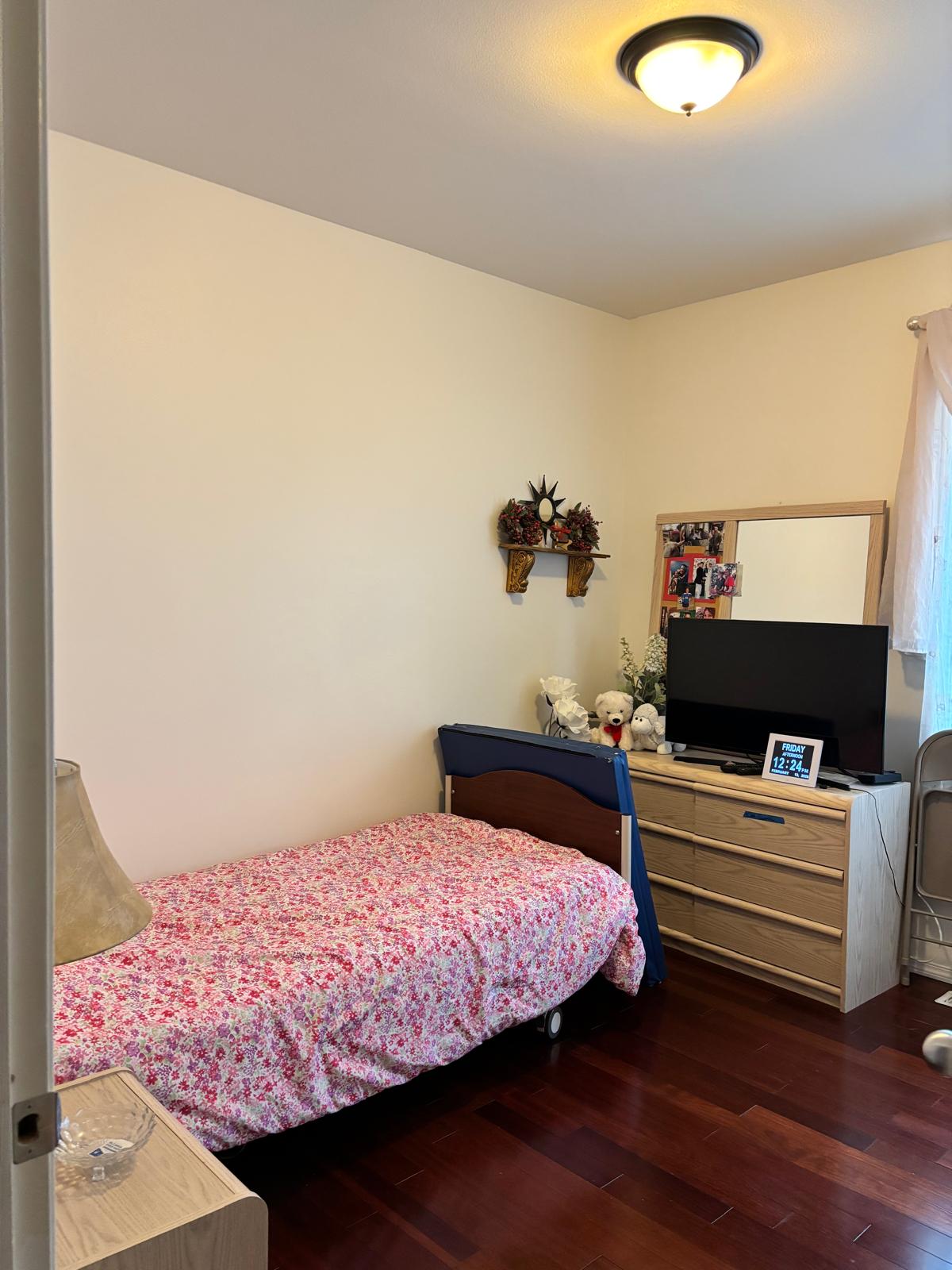
The clinical case for an adult family home gets most of the attention, but the quality-of-life case is often what actually drives families. A nursing home is a healthcare institution; an adult family home is a house in a neighborhood, where a resident has a bedroom, shares home-cooked meals at a real table, and is known by name. For a person on dialysis — who may face multiple treatments a week, dietary restrictions, and real fatigue — the environment they recover in shapes how they experience all of it.
At Edmonds Villa, rooms are arranged so that the medical equipment a resident needs, like an adjustable bed, is present without the setting feeling clinical. Family can visit in a living room rather than a hallway, couples can remain together through the spousal room and board option, and the daily rhythm of the home continues around the treatment schedule rather than the other way around.
Dialysis is exhausting, and emotional well-being is not a footnote to it — it's a factor in how well a person tolerates treatment. A quieter, smaller, more predictable environment with familiar caregivers is meaningful for a person managing a chronic, demanding condition. That isn't sentiment; it's part of what makes a residential setting a defensible choice clinically as well as personally.
Cost: Adult Family Home vs. Nursing Home
Cost is rarely the first question families want to ask, but it's usually the one that decides the timeline. In Washington State, adult family home rates typically range from $4,500 to $9,000 per month depending on care level, room type, and location. A high-acuity home with RN supervision and dialysis support sits toward the higher end of that range — and the premium reflects genuinely different capabilities.
Skilled nursing facilities are generally more expensive in Washington, with rates that routinely exceed adult family home costs. The gap matters because many families are funding care from retirement savings, the sale of a home, or monthly income. But cost shouldn't be the deciding factor in a vacuum — the question is whether the home can safely meet the specific clinical needs, and only then whether the monthly number is sustainable.
Beyond private pay, the options are worth exploring with a benefits counselor: the COPES Medicaid waiver for personal care services, CFC for eligible individuals, VA Aid and Attendance for veterans and spouses, and long-term care insurance. The intersection of these programs is genuinely complex, so families should get professional guidance rather than assuming a path is closed.
Wondering whether an adult family home is a realistic option for your loved one on dialysis? Edmonds Villa specializes in dialysis support in a homelike, six-resident setting. Contact us for an honest conversation about your family's situation.
Choosing Between an Adult Family Home and a Nursing Home
When is an adult family home the right choice? Generally, when the patient is stable on peritoneal dialysis or home hemodialysis, needs daily assistance and monitoring rather than hospital-level care, prefers a home environment, and when the nephrology team supports home-based treatment. The resident should be able to safely participate in their own care to the degree their treatment requires, with the home providing the trained support around it.
When is a nursing home the right choice? When a patient needs in-center hemodialysis several times a week and transportation — or the patient's condition — makes that impractical; when care needs exceed what nurse delegation and home-based modalities can safely cover; or when a resident is medically unstable and requires around-the-clock skilled nursing presence. These aren't signs of failure; they're signs that the care need has genuinely outgrown the residential model.
The decision is best made as a triangle: the patient's nephrology team, the family, and the home's administrator talking through the actual care plan. Verify the home's DSHS license, review the last two inspection reports, and ask the home to explain — specifically — how it would manage your loved one's treatment, supplies, emergencies, and appointments. For a fuller comparison of the two care models, our guide on adult family homes vs. nursing homes in Washington State covers the structural differences in depth, and our dialysis residential care guide walks through the day-to-day realities families should plan for.
Frequently Asked Questions
Can an adult family home support a dialysis patient instead of a nursing home?
Yes, for many patients. A high-acuity adult family home with trained staff and nursing coordination can support residents on peritoneal dialysis and home hemodialysis, providing treatment assistance, monitoring, and nephrology communication in a residential setting. It is not a dialysis clinic, so the patient's specific condition and treatment modality must be appropriate.
What does dialysis support at an adult family home actually include?
Support with treatment schedules, catheter site care, supply management, fluid and weight monitoring, renal-diet meals, and dialysis-related medications such as phosphate binders. Caregivers are trained to recognize signs of infection, fluid overload, and access problems, and the home coordinates closely with the nephrology team.
How does nurse delegation work in dialysis care at an adult family home?
Under Washington State rules, a licensed nurse can delegate specific nursing tasks to trained caregivers after assessing the resident and confirming caregiver competence. This allows meaningful medical tasks to be safely handled in a residential setting under nursing oversight, with periodic re-verification.
What happens during a power outage at a home supporting dialysis?
Homes supporting home dialysis need backup power for essential medical equipment and documented emergency protocols. At Edmonds Villa, backup generator power is part of the safety infrastructure, and staff are trained in dialysis-specific emergency response, including rapid communication with nephrology and emergency services.
Is an adult family home with dialysis support more affordable than a nursing home?
Adult family home rates in Washington State typically range from $4,500 to $9,000 per month depending on care level and room, while skilled nursing is generally more expensive. Payment options include private pay, COPES and CFC Medicaid waivers, VA Aid and Attendance, and long-term care insurance.
When is a nursing home still the better choice for a dialysis patient?
When a patient requires in-center hemodialysis several times a week and transportation is not workable, when care needs exceed what home-based modalities and nurse delegation can safely support, or when the resident is medically unstable and needs around-the-clock skilled nursing presence. The nephrology team should guide this decision.
The Right Setting Depends on the Patient, Not Just the Diagnosis
An adult family home can genuinely support a dialysis patient instead of a nursing home — when the patient is an appropriate candidate for home-based dialysis, and when the home has the training, nursing coordination, safety infrastructure, and commitment the treatment demands. Families should not assume a nursing home is the only safe option, and they should not assume every care home can handle dialysis either.
The honest path forward is the same regardless of which way the decision lands: work with the nephrology team, verify licensing, read the inspection reports, tour the homes, and ask pointed questions about protocols, staffing, and backup power. If the fit is right, the reward is considerable — a loved one living with a serious, demanding condition in a place that feels like home.