Dialysis Support
Near Lynnwood
Edmonds Villa provides specialized dialysis support for families from Lynnwood and surrounding communities. Our Edmonds location offers expert care in a comfortable, homelike environment.
Home Dialysis, and the Home That Can Take It in Lynnwood
Sandra, RN, owner and operator of Edmonds Villa, on the two kinds of dialysis and what a residential setting has to do to support them.
Specialized Care for
Lynnwood Families
Finding quality dialysis support near Lynnwood can be challenging. Many care facilities lack the specialized equipment, trained staff, or experience to serve high-acuity patients effectively. Edmonds Villa fills this gap with dedicated dialysis support services in our 6-bed adult family home.
Located in Edmonds, we serve families from Lynnwood and throughout South Snohomish County and North King County. Our specialized focus means your loved one receives expert care from staff who understand their specific needs.
Dialysis patients need consistent support and monitoring.
Discuss Your Needs →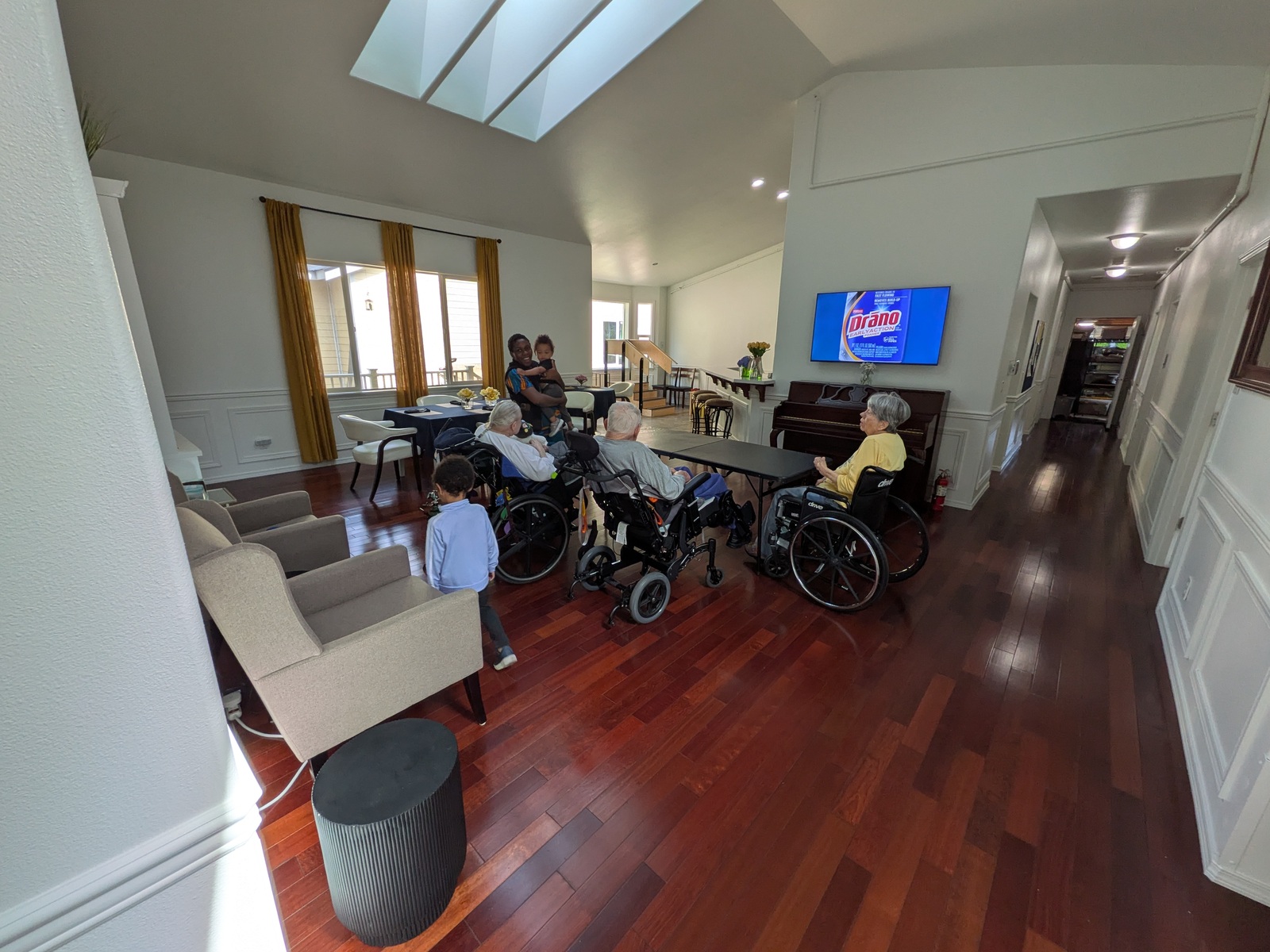
Home Setting
Why Lynnwood Families Choose Edmonds Villa
The National Institute on Aging recommends evaluating care quality alongside location when choosing facilities
Specialized Expertise
Trained staff with specific expertise in dialysis support that many facilities cannot provide.
Personalized Attention
With just 6 beds, your loved one receives individualized care from consistent caregivers.
Nursing Oversight
Licensed nurses provide medical supervision, medication management, and physician coordination.
Home Environment
A real home with home-cooked meals, comfortable spaces, and dignified living—not an institution.
Convenient Location
Easy access from Lynnwood makes regular family visits convenient.
24/7 Care
Round-the-clock care and supervision with prompt response to any needs or concerns.
Additional Services for Lynnwood Families
In addition to dialysis support, Edmonds Villa provides comprehensive high-acuity care
Many residents have multiple care needs. Our integrated approach addresses all conditions while preventing conflicts between treatments. We also serve Lynnwood families with:
- Bariatric Care - Specialized equipment and dignified care for patients with obesity
- Dialysis Support - PD and HHD support with trained staff
- Enteral Feeding - J-tube and G-tube management
- Neurological Care - Parkinson's, ALS, MS, and TBI support
- Heart & Lung Care - Cardiovascular and pulmonary management
- Complex Metabolic Care - Diabetes, arthritis, and bedridden care
- Oncology and Cancer Management - Specialized cancer care and management
According to Washington State DSHS, adult family homes provide residential care in a home setting. Edmonds Villa takes this further with specialized high-acuity capabilities.
Peritoneal Dialysis Support for Lynnwood Residents
Peritoneal dialysis is unusual among medical treatments because it happens in the room where the person lives, on a schedule that does not pause for anything. An exchange takes roughly half an hour by hand, a cycler runs overnight and has to be set up correctly before the resident goes to sleep, and the supplies take up more space than most people picture. Get the technique right and it is one of the most independent forms of dialysis there is. Get it wrong and peritonitis puts the resident in a hospital bed within days.
Our location works well for residents coming from Lynnwood, with 196th St SW running across toward Edmonds and I-5 exit 181 close by for supply deliveries and clinic visits. Deliveries are heavy and bulky, so having a place to stage and store them is a practical part of the care, not an afterthought.
The Exchange Schedule and the Cycler
Continuous ambulatory peritoneal dialysis runs several manual exchanges across the day, and each one involves draining, filling, and a dwell period measured on the clock. Automated peritoneal dialysis moves the same work to a machine overnight, which frees the day but requires the setup to be done correctly the night before. We track fill volumes, drain volumes, dwell times, and the appearance of the effluent for each exchange, because a change in what drains out is often the first sign that something is wrong.
Aseptic Technique and Preventing Peritonitis
The catheter is a permanent line into the abdominal cavity, and every exchange is an opportunity to introduce bacteria. We use a mask and hand hygiene for each connection, follow the manufacturer's protocol for the transfer set, clean the exit site at every dressing change, and never cut a corner because the resident is tired or the schedule is running behind. Tubing that has been dropped or compromised is replaced. A cloudy fluid bag, abdominal pain, or a fever is treated as a possible infection and reported the same day.
Fluid Balance and the Weight of What Drains
Dialysis is a balancing act between removing enough fluid and removing too much. We record daily weights, blood pressure, and every drain volume, and we watch for the signs of overhydration, such as swelling and shortness of breath, as well as the signs of dehydration, such as cramping, dizziness on standing, and a sudden drop in blood pressure. A declining urine output changes the whole picture, and the renal team needs that information promptly rather than at the next scheduled visit.
What Else Changes: Diet, Energy, and Home Hemodialysis
Peritoneal dialysis makes its own demands on diet, particularly around protein, sodium, potassium, and fluid, and the recommendations differ from those for hemodialysis. Residents often feel more fatigued after a treatment and better on days in between, so we plan activity around that rhythm. Some families also look at home hemodialysis, which requires a different kind of training and a different set of equipment, and we can support the routine. What matters is that the renal team's orders are followed exactly and that the observations from the home actually reach them. The National Kidney Foundation explains how peritoneal dialysis works and what to expect, and the American Nurses Association describes the nursing oversight that complex home treatments depend on.
Dialysis Support FAQs
Does Edmonds Villa provide dialysis support for Lynnwood residents?
Yes. Edmonds Villa serves families from Lynnwood and throughout the region with specialized dialysis support. Our Edmonds location is conveniently accessible from Lynnwood.
How far is Edmonds Villa from Lynnwood?
Edmonds Villa is located in Edmonds, WA, just a short drive from Lynnwood. Our central location makes it easy for Lynnwood families to visit regularly.
What makes Edmonds Villa's dialysis support different?
Our 6-bed adult family home provides personalized attention that larger facilities cannot match. Residents receive consistent care from staff who know them well, with specialized training in dialysis support.
Can Lynnwood families tour Edmonds Villa?
Absolutely. We welcome families from Lynnwood to tour our facility, meet our caregivers, and learn about our dialysis support services. Call (425) 400-3184 to schedule.
Does Edmonds Villa accept Medicaid for dialysis support?
We work with various payment options including private pay and some Medicaid programs. Contact us to discuss your specific situation and financial options for dialysis support.
Schedule a Tour
Lynnwood families are welcome to visit Edmonds Villa. See our facility and learn how we can provide dialysis support for your loved one.