When a parent is diagnosed with a condition like advanced Parkinson's disease or kidney failure, the care conversation changes almost overnight. The family doctor, the hospital discharge planner, and the home health agency often say the same thing: your loved one needs more care than a standard adult family home or assisted living can safely provide. The options presented — a skilled nursing facility, or round-the-clock home health that most families cannot afford or sustain — rarely feel like good choices for someone who wants to keep living in a warm, familiar home.
The reality is more nuanced. A small number of licensed adult family homes in Washington State are specifically designed to care for residents with complex medical conditions. Edmonds Villa, an RN-owned and operated high-acuity adult family home in Edmonds, Washington, is one of them. Understanding which high acuity care conditions qualify for this level of residential support — and what each one demands of the home that accepts it — is the first step in finding the right place for your loved one.
If you are new to the term, our guide to what high-acuity care is and whether your loved one needs it is worth reading first. This article assumes you already know high-acuity care is a real option. It focuses on the conditions themselves: how each one is managed in a residential setting, what equipment and protocols are required, and why most standard care homes simply cannot take them on.
What Qualifies as a High-Acuity Care Condition
A condition "qualifies" for high-acuity residential care when its ongoing management demands three things at once that a standard care setting cannot guarantee: trained nursing oversight, specialized equipment, and documented clinical protocols. In Washington State, a standard adult family home is licensed to provide personal care, medication assistance, and intermittent nursing support — legally up to seven hours of nursing care per week — and assisted living operates under similar limits. For most residents that is entirely sufficient. For others, it is not nearly enough.
The dividing line is not the diagnosis itself — two people can share the same diagnosis while needing wildly different levels of care. What matters is whether the condition is stable or progressive, whether it is managed with oral medications or requires active clinical procedures, and whether needs can be met by a caregiver's careful attention or only by equipment and nursing judgment. When medications must be timed to the minute, a feeding pump runs through the night, or a transfer requires a mechanical lift and two trained staff members, the care setting must be restructured around the condition — not the condition squeezed into the setting.
That restructuring is possible in Washington State through two mechanisms: nurse delegation, under which an RN trains and supervises caregivers to perform specific medical tasks for a specific resident, and licensed nursing services coordinated with the resident's medical team. An RN-owned home like Edmonds Villa brings a meaningful advantage here — clinical accountability sits with someone trained to recognize when a care plan needs to change, not with administrative staff who may lack that background.
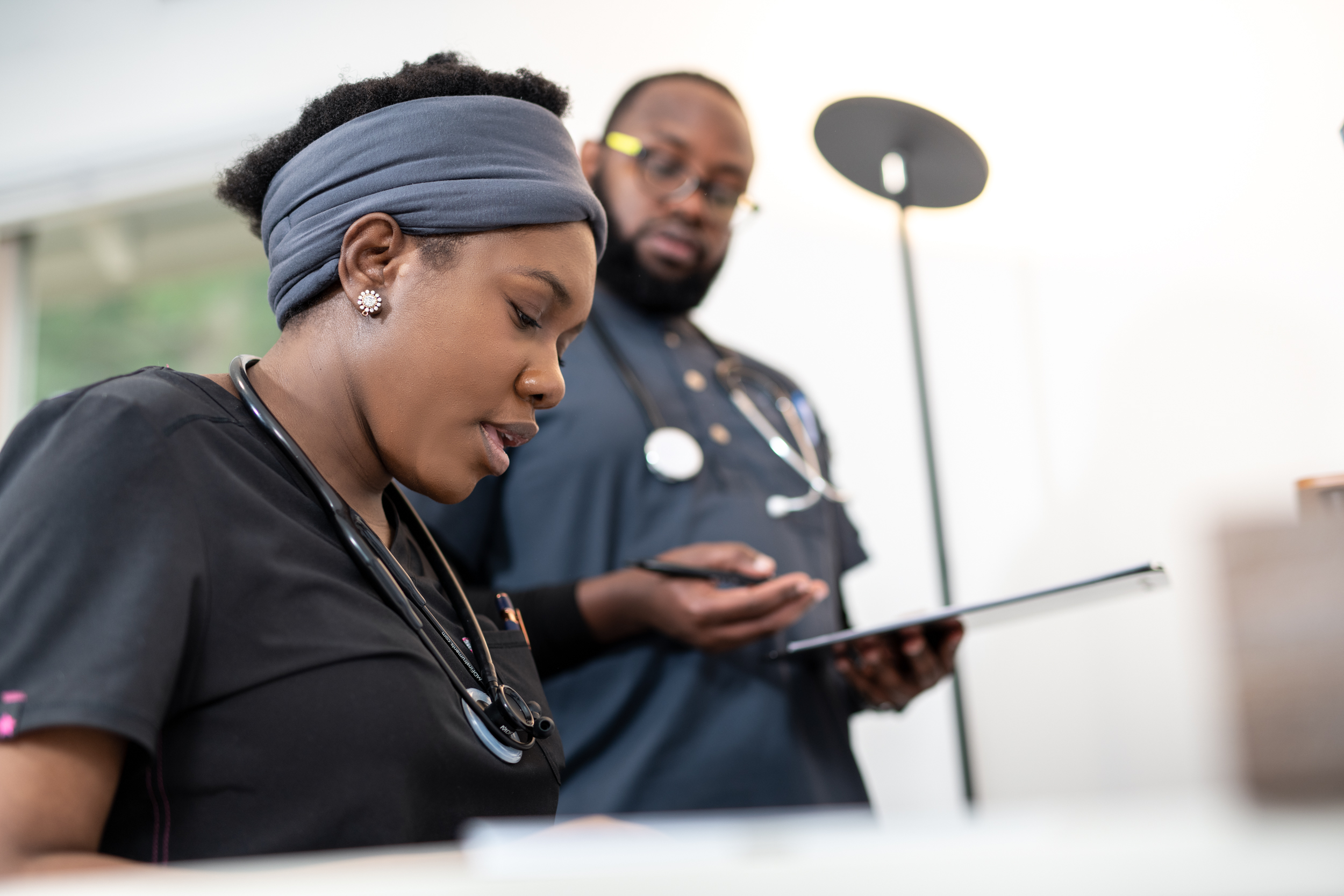
The sections below cover the conditions families most commonly bring to Edmonds Villa. For each, we explain the level of nursing oversight, equipment, and protocols involved — and why a standard care home usually cannot provide it.
Advanced Parkinson's Disease and Other Neurological Conditions
Advanced Parkinson's disease is one of the most common reasons families seek high-acuity residential care. In early stages it is often managed well at home with oral medication; in later stages it becomes a complex, around-the-clock challenge. Levodopa — the primary medication — must often be given on a schedule accurate to the minute, because taking it late can mean losing hours of functional mobility. Caregivers must track "on-off" periods, monitor for motor fluctuations and freezing episodes, manage tremors that make eating and dressing hazardous, and watch for swallowing difficulties that raise the risk of choking and aspiration pneumonia.
Fall prevention becomes a clinical priority, not a courtesy. Advanced Parkinson's residents frequently lose their balance without warning, and a single hip fracture can cascade into months of hospitalization. Caregivers need training in safe transfer techniques and gait assistance, and coordination with a neurologist matters at every stage because medication adjustments are frequent and consequential. Edmonds Villa provides specialized care for Parkinson's and other neurological disorders — precise medication timing, on-off monitoring, and a calm, predictable environment that reduces stress and confusion that can worsen symptoms.
The same category includes ALS (amyotrophic lateral sclerosis), multiple sclerosis, and traumatic brain injury (TBI). These conditions can involve progressive weakness, mobility loss, respiratory compromise, cognitive changes, and complex medication regimens. Residents may need repositioning to protect skin and lungs, assistance with communication as speech becomes difficult, and careful monitoring for respiratory decline. Because these diseases change over time, the care plan must be reviewed frequently in partnership with visiting clinicians. For a deeper look, see our guide to Parkinson's residential care for families.
Is your loved one's neurological condition outgrowing what a standard care home can manage? Edmonds Villa specializes in advanced Parkinson's, ALS, MS, and TBI care. Contact us to discuss your family's situation.
Dialysis Dependence: Peritoneal Dialysis and Home Hemodialysis
When kidneys fail, the options are in-center hemodialysis, home hemodialysis, or peritoneal dialysis (PD) — and a growing number of families prefer the home-based options for the quality of life they preserve. Peritoneal dialysis typically runs overnight through a machine called a cycler, using the lining of the abdomen as the filter; home hemodialysis uses a machine to filter blood directly, often several times per week. Both approaches require a care setting that can support them safely — and most adult family homes cannot.
The reasons are practical and clinical. Dialysis requires a trained individual to set up and monitor the equipment, track records, manage supplies, and maintain strict sterile technique to prevent peritonitis — a serious abdominal infection and the chief risk of PD. The catheter exit site must be observed and cleaned on a strict schedule, with any sign of infection recognized and reported immediately. The home must also have protocols for emergencies, from clogged catheters to unstable blood pressure during a treatment.
A standard care home is not equipped for any of this. Nurse delegation protocols can, in the right circumstances, allow trained caregivers to support dialysis in a residential setting — but only a home that has deliberately built those protocols and has nursing coordination in place can do it. Edmonds Villa supports peritoneal dialysis and home hemodialysis through licensed nursing coordination, with staff trained in aseptic technique, equipment monitoring, and infection prevention. For families who have learned to perform dialysis at home, finding a care home that respects and continues that routine is often the deciding factor.
Tube Feeding: G-Tube, J-Tube, and TPN Support
When swallowing becomes unsafe — after a stroke, with advanced neurological disease, or during certain cancer treatments — nutrition and hydration must move to a feeding tube. A gastrostomy tube (G-tube) delivers formula directly into the stomach. A jejunostomy tube (J-tube) bypasses the stomach into the small intestine, typically used when gastric feeding is not tolerated. In the most complex cases, TPN (total parenteral nutrition) delivers nutrition intravenously through a central line, bypassing the digestive tract entirely.
Each of these requires far more than "setting up a pump." Tube feeding involves preparing and hanging formula, programming the pump, managing feeding schedules and rates, and positioning the resident to prevent reflux and aspiration. The stoma site — the opening where the tube enters the body — requires regular cleaning and careful observation for infection, leakage, or skin breakdown. Medications often need to be crushed, dissolved, and given through the tube. With TPN, a central line carries the constant risk of serious infection, so sterile technique is non-negotiable.
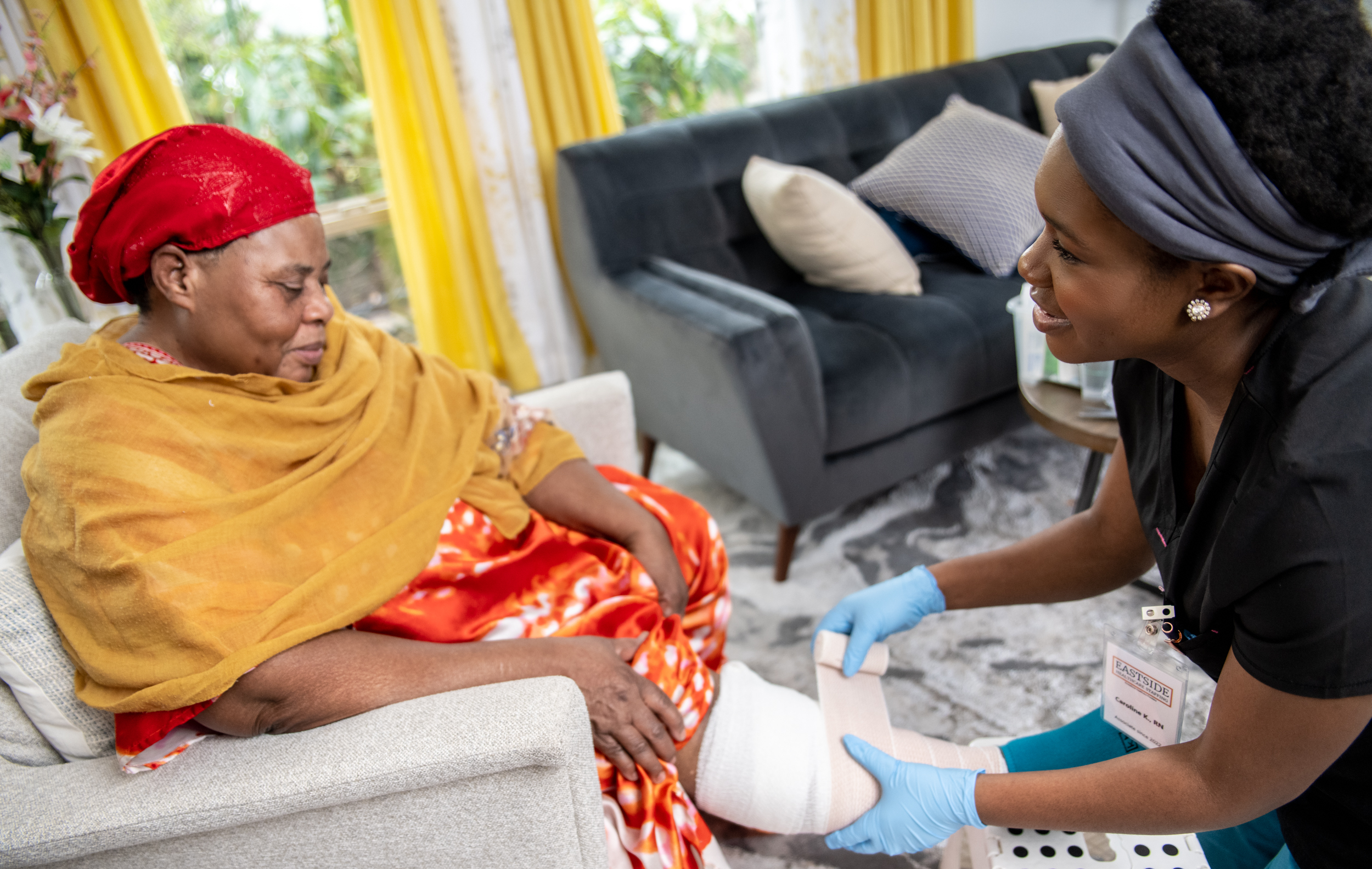
Washington's nurse delegation framework allows trained caregivers to support enteral feeding under RN supervision, but only when the home has the training, the equipment, and the protocols in place. Edmonds Villa provides G-tube and J-tube feeding management coordinated with licensed nursing services, with proper nutrition protocols and close monitoring of weight, hydration, and stoma health.
Bariatric Care and Specialized Transfer Equipment
Residents who carry significant extra weight face care challenges that are easy to underestimate until they become someone's daily reality. Transferring from bed to wheelchair, repositioning, toileting, and bathing all become physically demanding tasks that carry risk for both the resident and the caregiver. Without the right approach, they can lead to skin breakdown, pressure injuries, falls, and caregiver injuries — which in turn lead to staffing gaps and inconsistent care.
Proper bariatric care begins with equipment, and it is specific. Bariatric-rated beds, wheelchairs, and transfer lifts must be sized for the resident's weight, with doorways and bathrooms wide enough to accommodate them. A mechanical floor lift and two trained staff members are often required for even a routine transfer. Beyond equipment, caregivers need training in safe body mechanics, skin checks at every repositioning, and nutrition guidance that supports skin integrity. Pressure injury prevention is a daily discipline, not a scheduled event.
Many adult family homes are simply not set up for this — physically or operationally. Edmonds Villa provides bariatric care with appropriate transfer equipment and staff trained in safe handling, so heavier residents do not have to leave a residential home because of their size.
Oncology Symptom Management and Treatment Support
A cancer diagnosis is not itself a reason a resident cannot live in an adult family home. But the symptom burden of advanced cancer and its treatment can become intense: pain that is difficult to control, nausea and vomiting, profound fatigue, poor appetite, and unpredictable changes in condition. Families often realize they cannot manage these symptoms at home alone, while the person they love wants to remain in a comfortable, familiar place rather than a hospital or nursing facility.
Oncology symptom management in a residential setting means skilled medication administration for pain and nausea on schedules that adjust as symptoms change, close monitoring for concerning signs like fever or breathing changes, and constant communication with the oncology team. It also means the softer work that matters just as much: anticipating bad days, adjusting routines to conserve energy, and protecting the resident's dignity while daily comfort is handled well at home.
Edmonds Villa provides oncology symptom management in coordination with the resident's cancer care team. The home's RN ownership means the clinical staff can meaningfully communicate with oncology providers about symptom changes and medication adjustments — not just report that "Dad seems off today."
Complex Metabolic Conditions: Diabetes and Beyond
Diabetes is common in seniors, but it is not always simple. Some residents require multiple daily insulin injections, frequent blood glucose monitoring, and careful response to episodes of dangerously low blood sugar — a particular risk for residents who also have cognitive decline and cannot always tell a caregiver what is wrong. A missed meal, an infection, or a medication change can tip a resident into a hypoglycemic emergency that, if not caught quickly, can cause seizures or unconsciousness.
Complex metabolic management means caregivers who understand the signs of hypoglycemia and hyperglycemia, staff who can operate glucometers and insulin pens, and a protocol for responding to dangerous readings — including when to call 911 and what information to have ready. It also means dietary coordination, wound care for diabetic foot issues, and observation for complications like infections that heal slowly.
While diabetes is the most common metabolic condition in this category, "complex metabolic" is broader — it covers residents whose medication regimens and blood chemistry need close monitoring and frequent adjustment. Edmonds Villa provides complex metabolic care, including insulin management and glucose monitoring, with staff trained to respond to dangerous changes before they escalate.
Cardio-Pulmonary Conditions That Need Daily Oversight
Heart failure and chronic lung disease are among the most common reasons seniors are hospitalized — and readmitted. Congestive heart failure (CHF) means the heart pumps less effectively, and fluid can accumulate in the lungs and legs. Daily weight checks, strict diuretic schedules, salt-conscious meals, and monitoring for early signs of fluid overload are all part of managing it well. Miss the daily weight gain, and a resident can end up back in the hospital with difficulty breathing.
Chronic obstructive pulmonary disease (COPD) and other lung conditions bring their own demands: supplemental oxygen, breathing treatments, positioning that makes breathing easier, and careful observation for changes in respiratory effort or oxygen saturation. Residents may be on several inhaled and oral medications with precise administration requirements. The difference between a good day and a hospital admission is often caught in small details — a slightly faster breathing rate, a dip in oxygen, increased ankle swelling — that only a consistent care team notices.
Edmonds Villa manages cardio-pulmonary conditions with daily vital monitoring, medication oversight, oxygen support, and coordination with the resident's physician and specialists. The bedrooms are designed for this level of care — equipped to function as hospital-style rooms while remaining a comfortable home. For families in Seattle, Edmonds, and across Snohomish County who have watched a parent cycle in and out of the hospital, a care home that genuinely manages these conditions day to day is the difference between stability and repeated crises.
Frequently Asked Questions
What conditions typically qualify for high acuity residential care?
Conditions that require ongoing nursing oversight, specialized equipment, or detailed clinical protocols — advanced Parkinson's and other neurological disorders, dialysis dependence, tube feeding, bariatric care needs, oncology symptom management, and complex metabolic or cardio-pulmonary conditions. Each requires a home with trained staff, RN-level supervision, and documented emergency protocols that most standard adult family homes cannot provide.
Can a standard adult family home provide tube feeding or dialysis?
Most cannot. Tube feeding, peritoneal dialysis, and home hemodialysis require nurse delegation or licensed visiting nursing services, specialized training, infection-control protocols, and equipment that standard homes are not set up to manage. Edmonds Villa is an RN-owned and operated high-acuity adult family home specifically designed to coordinate these services safely.
What nursing oversight does a resident with advanced Parkinson's disease need?
Advanced Parkinson's care typically requires medication timing accurate to the minute, close monitoring of 'on-off' periods and motor fluctuations, fall prevention protocols, and coordination with a neurologist. As symptoms progress, meals, transfers, and daily routines all become skilled care tasks that require a consistent, well-trained care team.
Does Medicaid cover high acuity residential care in Washington State?
Washington's COPES Medicaid waiver can cover personal care services for qualifying residents, and the Community First Choice (CFC) program offers similar personal care coverage. Room and board is generally paid from the resident's monthly income. Veterans may qualify for VA Aid and Attendance benefits. Private-pay rates for high-acuity homes typically range from $4,500 to $9,000 per month.
How does Edmonds Villa coordinate with my loved one's doctors and specialists?
Edmonds Villa coordinates through licensed nursing services, nurse delegation protocols, and close communication with the resident's medical team. Because the home is RN-owned and operated, clinical decisions are made by someone with direct medical accountability rather than delegated to administrative staff without a clinical background.
How do I know if my loved one qualifies for high-acuity care at Edmonds Villa?
The first step is a conversation about your loved one's diagnoses, current medications, equipment needs, and recent hospitalizations. Contact us to discuss your family's situation and arrange a tour, so we can match the home's actual capabilities to the specific level of care required.
Knowing the Conditions Is the First Half of the Decision
Every condition in this guide shares a common thread: it can be managed at home in the right setting, and it cannot be managed safely in the wrong one. That is the real difference between a standard adult family home and a high-acuity home like Edmonds Villa — not that Edmonds Villa is a smaller, warmer place (though it is), but that the home is structured around the clinical demands of the residents it serves, with an RN owner who carries direct accountability for care quality, trained staff, proper equipment, and protocols for the moments when something changes.
If your loved one lives with any of these conditions — advanced Parkinson's or another neurological disorder, dialysis dependence, tube feeding, bariatric care needs, cancer-related symptoms, complex diabetes, or a heart or lung condition — the question is not whether high-acuity residential care is possible, but whether the home you are considering is genuinely equipped to provide it. Contact Edmonds Villa to talk through your family's specific situation and see for yourself what high-acuity care in a real home looks like.