Few decisions carry more emotional weight than moving a parent to a care home. It rarely begins as a plan — it begins as a concern: a fall that no one wants to think about twice, a phone call from a neighbor who noticed something wrong, a hospitalization that makes "we'll manage at home" impossible. The instinct of every adult child is to handle things ourselves, to keep our parents where they've always been. That instinct is exactly why this transition feels so heavy when the time comes.
Here is the honest truth about moving a parent to a care home: it is a process, not a single event. Between the first conversation and the first settled month there are real, concrete steps — the decision, the research and tours, finances and benefits, emotional preparation, packing and setting up a room, moving day, the early weeks, and staying involved. Taken deliberately, with your parent as a partner rather than a passenger, the move becomes something families navigate with confidence instead of dread.
This guide walks through each step in order. If you're still asking whether the time has come, start with our guide to recognizing when a parent needs help before you make any decisions. And know that this guide is written around one care setting: the adult family home — Washington State's licensed residential care home model that serves up to six residents in a real house, the option that most closely preserves a parent's sense of home.
Moving a Parent to a Care Home: Making the Decision Together
The decision is rarely a single dramatic moment. It's usually a gradual recognition built over weeks: care tasks getting harder, safety risks multiplying, a parent who is no longer safe alone. If you're reading this, you're likely past the worst of the uncertainty — you know something has to change, and you're figuring out how to make it happen well.
The single most important principle: make the decision with your parent, not for them. The earlier they're included, the more agency they keep — and agency is what people lose when they move, so protecting it matters enormously. Share what you're seeing honestly: the falls, the forgotten medication, the meals not being made. Let them correct you where they can. The goal isn't to win a debate; it's to build a shared picture of what safe, supported daily life looks like from here.
What to do when family members disagree
Rarely does every adult child see the situation the same way. One sibling lives nearby and carries the daily worry; another sees only the occasional good day and calls the move unnecessary. Disagreement is usually a problem of different information, not different love. Practical steps: get everyone to the same facts before debating options — share doctor's notes, list specific care tasks and who does them, and put what you're observing in writing. Invite skeptical siblings to join a tour rather than argue from a distance.
Finally, name the guilt out loud, because it will be there. Choosing a care home is not abandoning a parent — it is redefining how care happens when one person can no longer safely carry it alone. The parent who raised you wouldn't want you to break yourself trying to be their full-time caregiver. A good placement isn't the end of your role — it's the beginning of a different one, built around exactly what the steps below cover.
Step 2: Researching and Touring Homes (Use the Checklist)
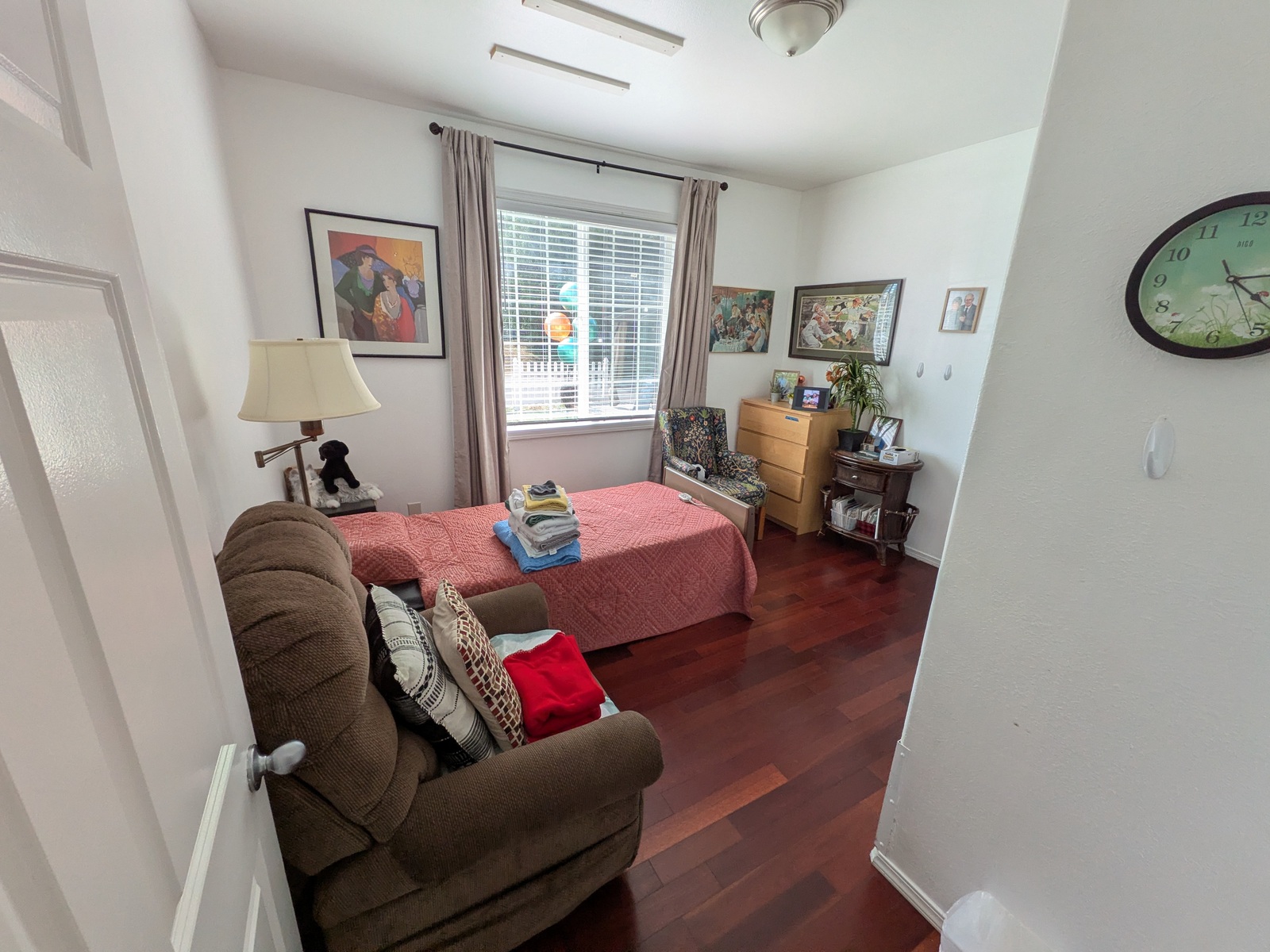
Once the decision is made, the research begins — and a structured approach protects your family from both burnout and bad choices. In Washington State, adult family homes are licensed by DSHS under RCW 70.128. Before you tour a single home, verify that it holds a current license and pull its inspection history from the DSHS Residential Care Facility Search tool. Routine inspections happen roughly every 15 months and are unannounced, so the public reports are a genuine window into how a home operates day to day. If a home cannot immediately produce a current license number, it is not legally permitted to care for your parent — a hard stop, not a detail to overlook.
There's already a thorough resource for this phase, so I'll point you there rather than re-create it: our adult family home checklist for families covers licensing, care plans, staffing ratios, medication management, and the questions to ask on every tour. Use it as your scorecard, and tour at least three homes before choosing — including homes your parent may resist at first. Trust your impressions, but check them against the checklist: a home can feel warm and still be underprepared for your parent's medical needs.
This point deserves weight. If your parent has complex medical needs — Parkinson's disease, dialysis, tube feeding, bariatric care, oncology, or a serious cardio-pulmonary or metabolic condition — a standard adult family home may not be equipped to manage them safely. This is where an RN-owned and operated high-acuity home like Edmonds Villa makes a real difference: at a six-resident scale, an owner with direct nursing accountability can maintain the clinical protocols a complex condition requires — while keeping care genuinely personal. When you tour, ask specifically how the home would handle your parent's condition, not just how nice the room is.
Not sure which homes can meet your parent's medical needs? Edmonds Villa is a DSHS-licensed, RN-owned high-acuity adult family home in Edmonds that cares for residents with complex conditions most homes cannot. Contact us to ask questions or schedule a tour before you commit.
Step 3: Handling Finances and Benefits Before You Commit
Money is often the most stressful part of this process, so handle it early — before emotions run high on moving day. In Washington State, adult family home care typically costs $4,500 to $9,000 per month depending on care level, room type, and location. Homes with RN supervision and high-acuity capabilities sit at the higher end — a premium that reflects a real difference in capability.
Most families begin as private pay, but that's rarely the only option. Washington's COPES Medicaid waiver can cover personal care services for qualifying residents (room and board are typically paid through monthly income), and the Community First Choice (CFC) program offers similar personal care coverage without a waitlist for eligible individuals. Veterans and spouses may qualify for VA Aid and Attendance, which can meaningfully offset monthly costs. If your parent has long-term care insurance, pull out the policy — many policies cover adult family home placement directly.
Before you commit, gather the key documents: account statements, Social Security and pension income, VA benefit records, the long-term care insurance policy, and any estate documents. You don't need to be an expert — you need a complete picture. It's worth an hour with a financial advisor and a session with a benefits counselor, because the intersection of Medicaid eligibility, insurance policy language, and veterans' benefits is genuinely complex. Get the paperwork straight before moving day.
Step 4: Preparing Your Parent Emotionally
For all the logistics this guide covers, the emotional work is the real work — especially with a parent resisting the move. Understand what resistance usually is: almost never a rejection of you, and almost always grief and fear of losing independence. The parents who insist "I'm not going anywhere" are often the ones who, weeks later, describe their new home with a warmth no one expected.
Involve your parent in every choice that is genuinely theirs to make. Which home felt best to them on the tour? Which room did they prefer? What should the room look like? These small decisions restore a sense of control the move itself threatens. Visit chosen homes together more than once — familiarity defuses fear. And let them see the place without you hovering if that's what they need; some parents speak more freely with a caregiver than with their own children.
We've written a fuller guide to this exact transition, so rather than compress it here, read our piece on helping your parent transition to an adult family home without trauma. Its approach — small visits, preserved routines, and honest conversations about loss — will carry you through the weeks before the move.
Step 5: Packing and Setting Up the New Room
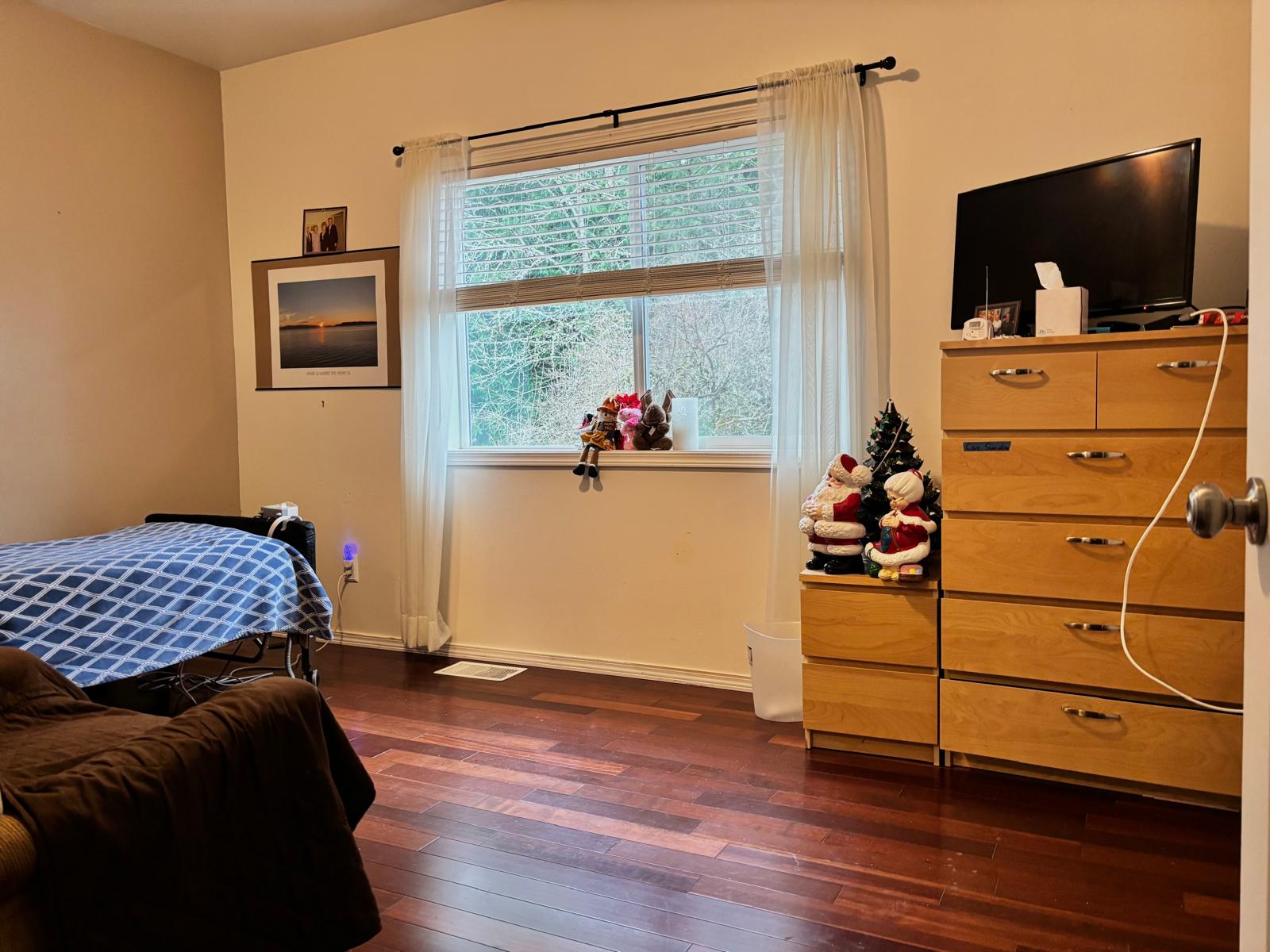
Packing for a care home is different from any other packing you've done. The room is small, so the goal isn't to move a household — it's to move a sense of home. Most adult family homes provide the furniture: the bed, the dresser, the bedside table. Your job is everything that makes a room a person's room:
- Favorite bedding and a familiar throw blanket — comfort that's literally touchable
- Framed photos of family, friends, and the places that matter
- A comfortable chair they've loved sitting in
- Music, an audiobook player, or a tablet with their preferences already loaded
- Personal care items — the familiar soap, lotion, hairbrush, and any routine products
- Comfortable clothing, loose-fitting and easy to dress in, labeled with their name
Set the room up before move-in day, ideally with your parent involved. Hang the photos, make the bed with their bedding, put their things in the drawers. A parent who walks into a room that already looks like theirs — in a home like Edmonds Villa where each resident's space genuinely reflects the person — has already taken the hardest step.
Step 6: Making the Moving Day Go Smoothly
Moving day is where all the planning either pays off or falls apart, and the difference is usually calm. Choose a mid-morning move-in — early enough for a full day to settle in, but not so early that the morning feels rushed. Arrange for one or two helpers to handle the physical logistics so you can focus on your parent, and keep the gathering small and familiar.
Let the care team meet your parent as soon as they arrive, and share a short summary of their routine: how they like their coffee, when they prefer to wake, what calms them. The caregivers at a six-resident home will remember these details and build the day around them. Keep the atmosphere light — music, familiar voices, no talk of paperwork at the door. If your parent is anxious, give them a simple job, like choosing where a photo goes. Agency, again.
And one more thing, aimed at you: it's completely normal to feel terrible after moving day, even when the move was clearly right. Plan something kind for yourself afterward — a meal with a friend, a quiet evening — and don't interpret the knot in your stomach as evidence you made a mistake. The weeks that follow will give you that.
Step 7: Settling In — The First Weeks
Expect an adjustment period. Most residents need several weeks — sometimes a few months — to truly settle, and progress isn't linear. There will be good days and hard days, phone calls asking to come home, and moments when your parent seems happier than they've been in years. All of it is normal. The single best thing you can do in the first month is create a predictable rhythm of contact: a regular visiting schedule, a daily or near-daily call, and clear communication with the care team about what your parent needs to feel safe.
Share the full picture with the team — medical history, preferences, personality, the small things that make your parent who they are. The more they know, the better they can care. Pay attention to the signals of adjustment rather than any single visit: appetite, sleep, mood, engagement in daily activities, how the team describes the day. If something feels off — persistent withdrawal, sadness that isn't lifting, changes in eating or sleeping — raise it with the home right away.
This is the moment to remember why you chose a small residential home. At a scale of six residents, caregivers notice the subtle changes and know each person's daily rhythms. That familiarity — not a building's amenities — carries a new resident through the hardest weeks.
Step 8: Staying Involved After the Move
Your role as an adult child doesn't end at move-in — it changes. The most effective families stay visibly involved: they visit on a schedule, they call, they're a known presence in the home, and they join care plan reviews when invited. The care team genuinely wants you involved; you are the expert on your parent's life, and good homes treat family as partners, not spectators.
Stay involved, but resist hovering. The goal is a partnership, not a constant audit. Show up regularly enough that your parent and the staff know you're there, raise concerns promptly and specifically, and celebrate the wins — the first time your parent mentions a caregiver by name, the afternoon they spend laughing with another resident. Those moments are the proof the process worked.
If your parent's needs evolve — a new diagnosis, a change in mobility — talk with the home about whether it can still meet those needs safely. For conditions that outgrow a standard care home, homes like Edmonds Villa provide high-acuity care in a residential setting: Parkinson's management, dialysis support, tube feeding, oncology care, cardio-pulmonary care, and more, under RN ownership. The right home grows with your parent; staying involved is how you'll know it is.
Frequently Asked Questions
How long does the process of moving a parent to a care home take?
Most families spend two to four weeks between making the decision and moving day, though every situation is different. Researching homes, touring, verifying DSHS licensing, and completing admission paperwork takes most of that time. A clear checklist keeps the process moving without turning it into a rushed decision.
What does it cost to move a parent to an adult family home in Washington State?
Adult family home costs in Washington typically range from $4,500 to $9,000 per month depending on care level, room type, and location. Homes with RN supervision and high-acuity capabilities sit at the higher end of that range. Payment options include private pay, the COPES Medicaid waiver, the Community First Choice program, VA Aid and Attendance for veterans, and long-term care insurance.
How do I help a parent who resists moving to a care home?
Involve your parent as early and as fully as possible — tour homes together, let them weigh in on which room they prefer, and listen without arguing. Resistance usually reflects grief and fear of losing independence, not a rejection of the plan itself. Naming that feeling honestly and moving at a pace they can tolerate helps far more than persuasion.
What should I bring when my parent moves into an adult family home?
Bring familiar, meaningful belongings: favorite bedding, framed photos, a comfortable chair, music or a tablet, personal care items, and comfortable clothing labeled with their name. The room should reflect your parent's life rather than look like a hotel. Most homes provide furniture, so focus on the items that make the space feel like theirs.
Does Medicaid help pay for an adult family home in Washington State?
Yes. The COPES Medicaid waiver can cover personal care services for qualifying residents, though room and board are typically paid through monthly income. The Community First Choice (CFC) program offers similar personal care coverage without a waitlist for eligible individuals. Medicare generally does not cover long-term residential care.
How do I know my parent is adjusting well in the first few weeks?
Give it time — most residents need several weeks to settle into a new routine, and some days will be harder than others. Pay attention to appetite, sleep, mood, and how the care team describes the day, rather than judging from a single visit. Keep caregivers informed about your parent's preferences and history, and tell them right away if something feels off.
The Move Is Hard — And It Can Turn Out Beautifully
Moving a parent to a care home is one of the hardest things adult children do, and it deserves as much care as any decision you'll make for them. The process works when it's a partnership: your parent kept in the decisions, your family brought together around the same facts, the research done with a checklist, the finances settled in advance, and the emotional work treated as the real work.
And the goal is simple: a parent who is safer, better cared for, and still living somewhere that feels like home. The step-by-step path in this guide gets you there. If you're researching homes in the Seattle area and want to see what RN-owned, high-acuity care looks like in a real home, reach out to Edmonds Villa — we're happy to answer your questions at whatever stage of the process you're in.